



We fund promising early prototypes, ranging from management tools to video games to AI systems. We are presently working towards additional collaborative efforts at universities throughout the world, where neurodivergent research can be funded and courses similar to Intelligence++ can be developed.
Grants Awarded
Invested in Innovation
Projects Supported
Inspiring Stories from Grant
Recipients
We offer initial seed-funding for promising research and innovation projects, including through our yearly Intelligence++ Neurodivergence Award.
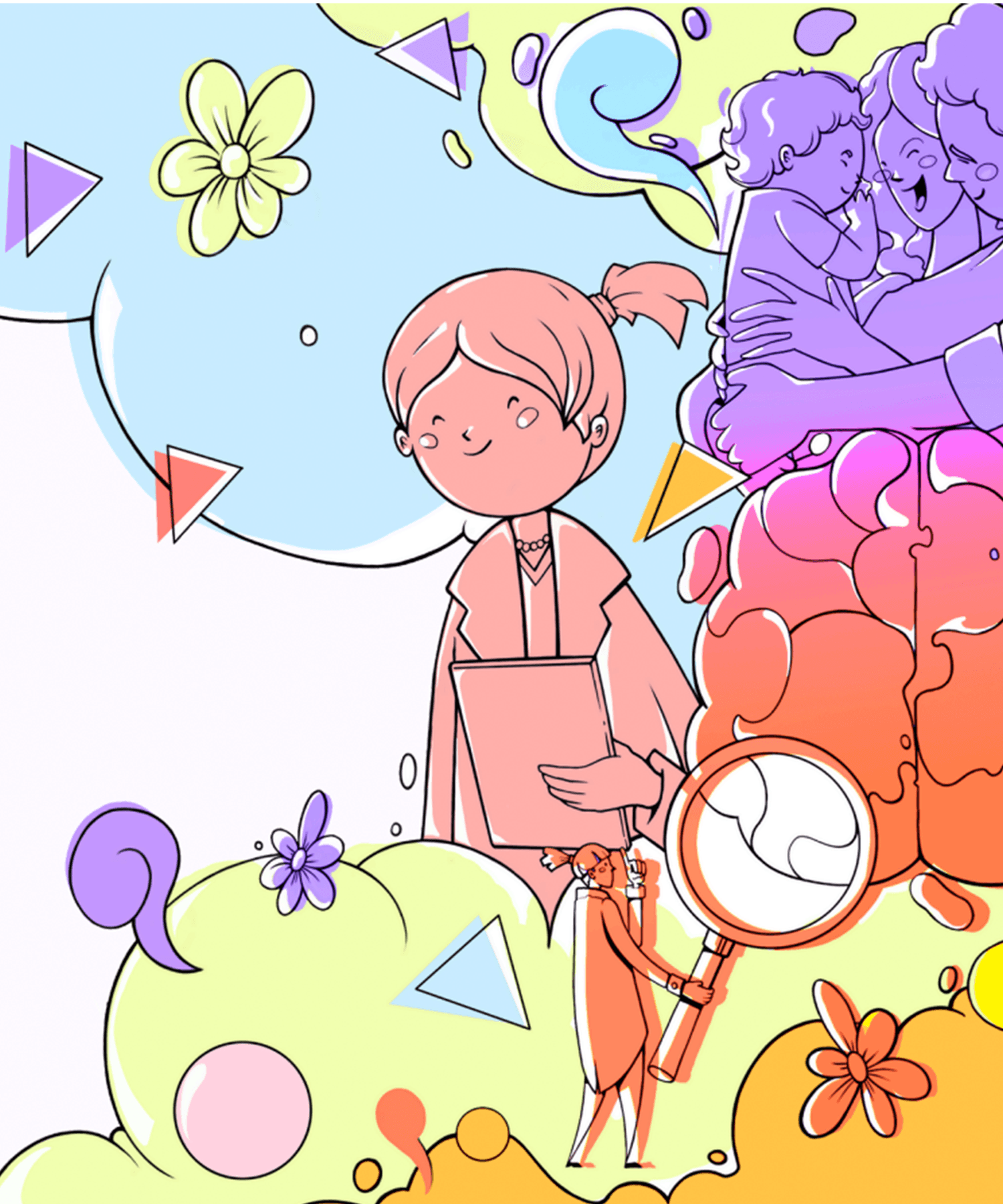
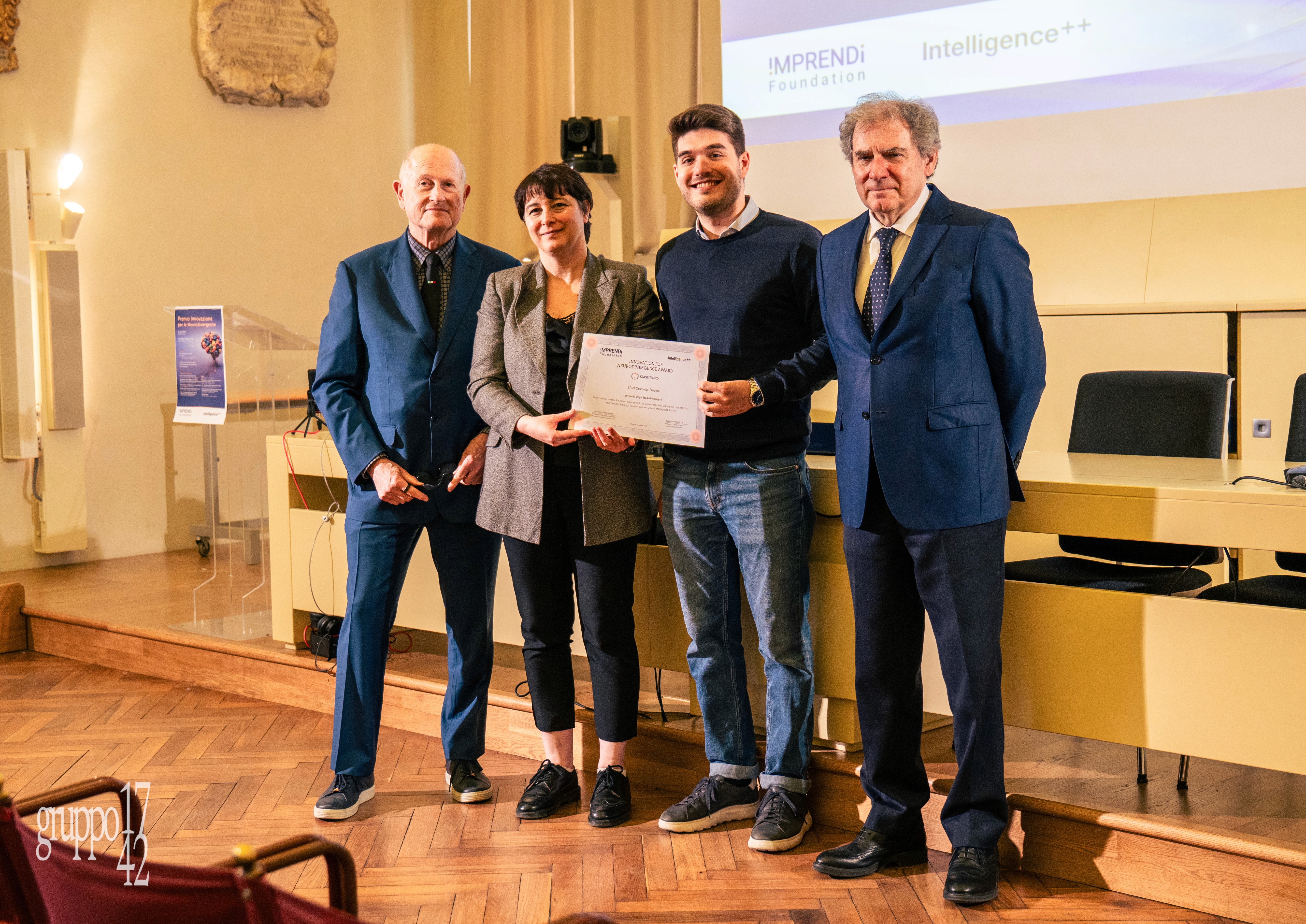
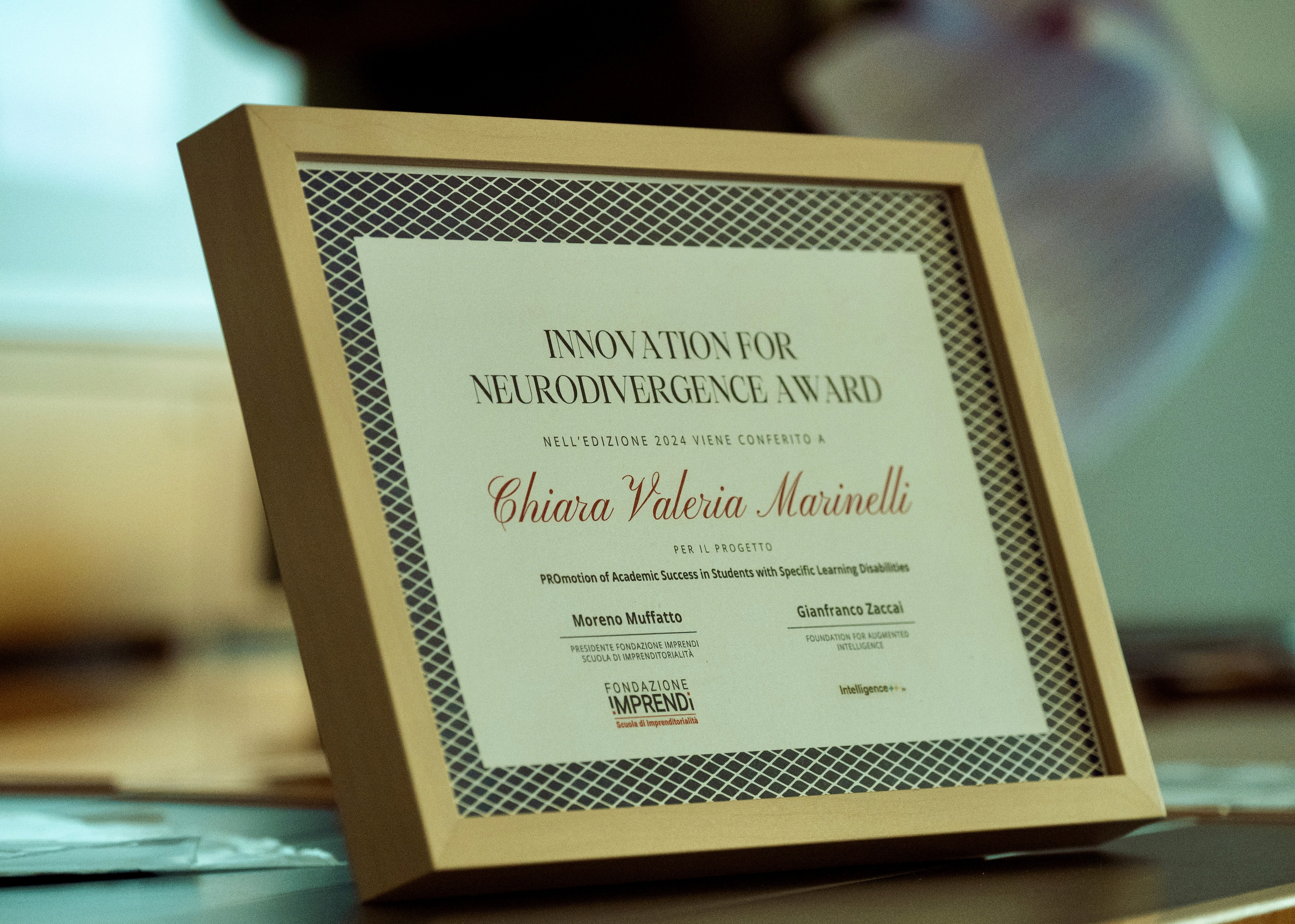
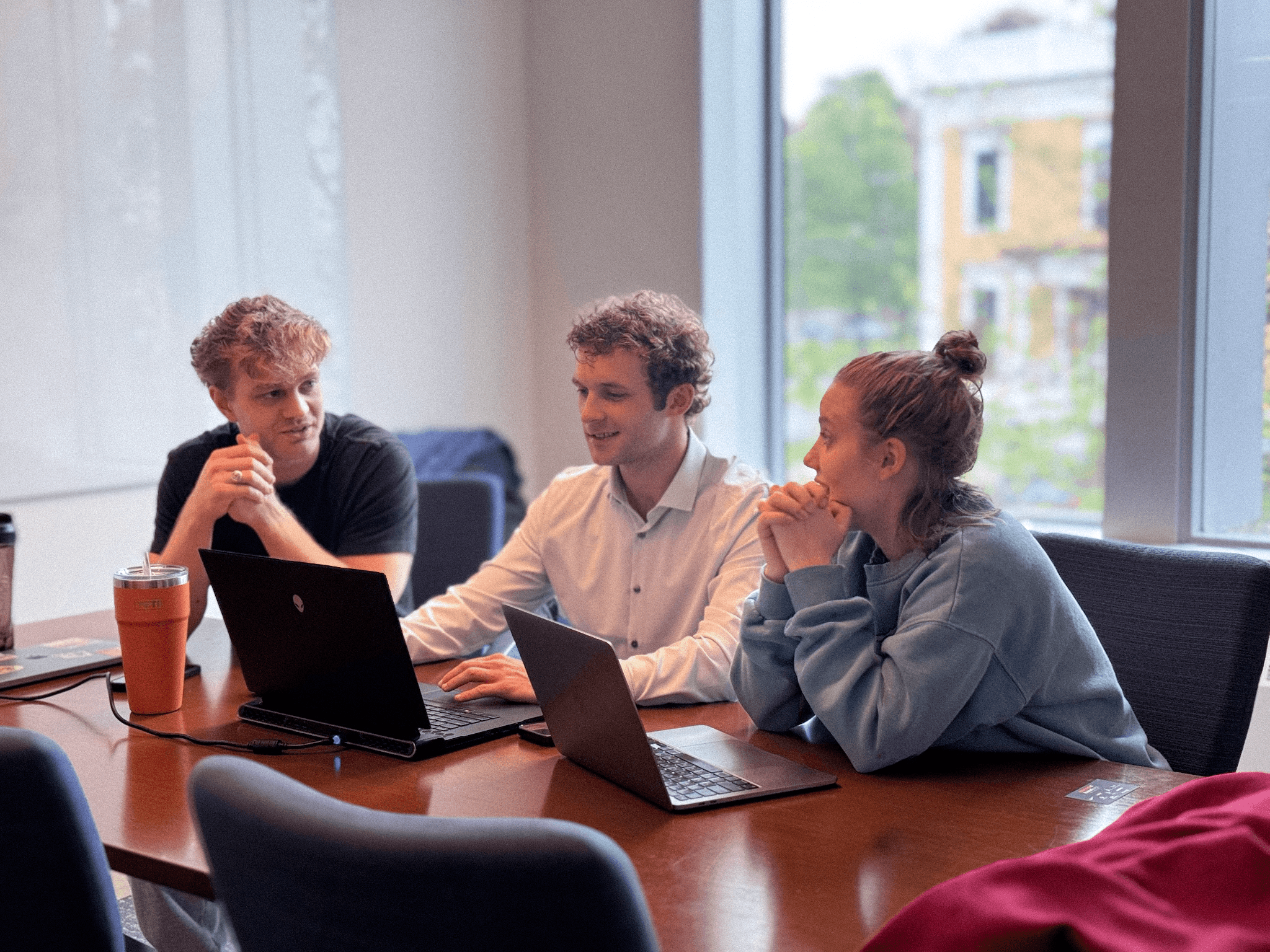


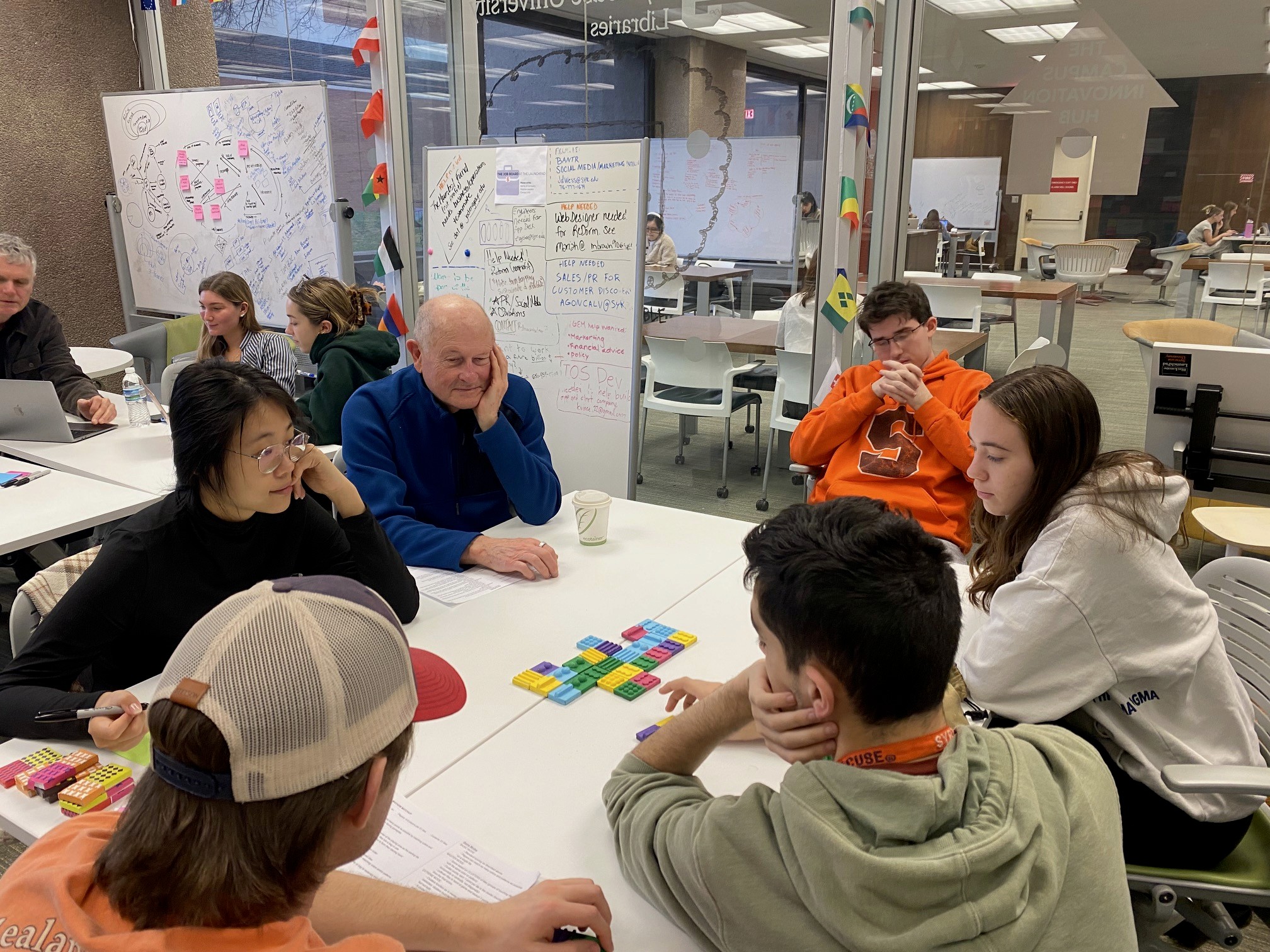
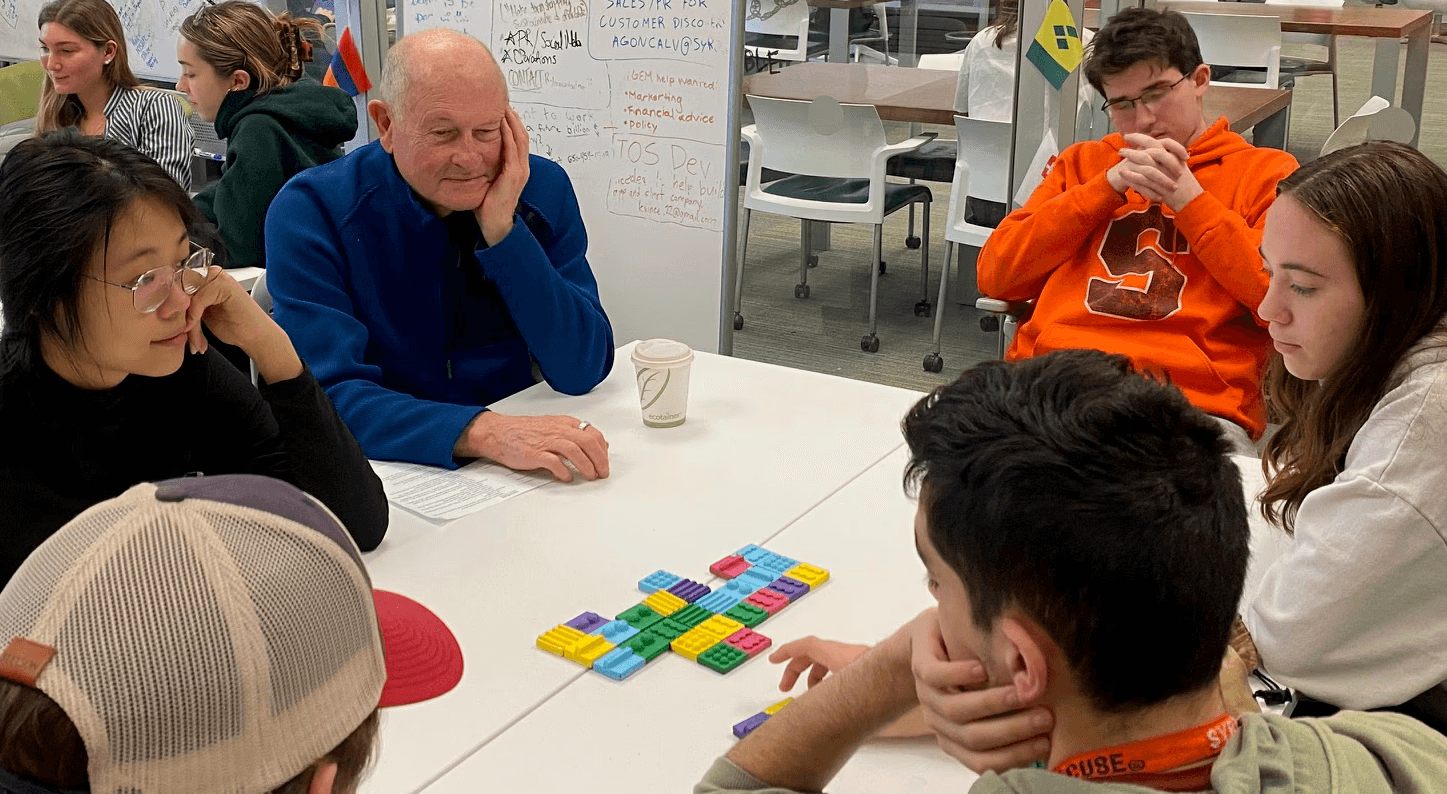
Participants begin with qualitative research, which they build on with ideation exercises, prototype pitches, user feedback, and iteration work. Their process is emergent, where tweaking is welcomed and the ever-growing process of building a valuable product is encouraged. Students walk away with an ability to navigate complexity with confidence, all the while letting the fluid conversation between the designer, the neurodiverse community, and the intended user guide the work.
Years running
Invested in Student-led Work
Collaborators
Projects Completed
Case Studies
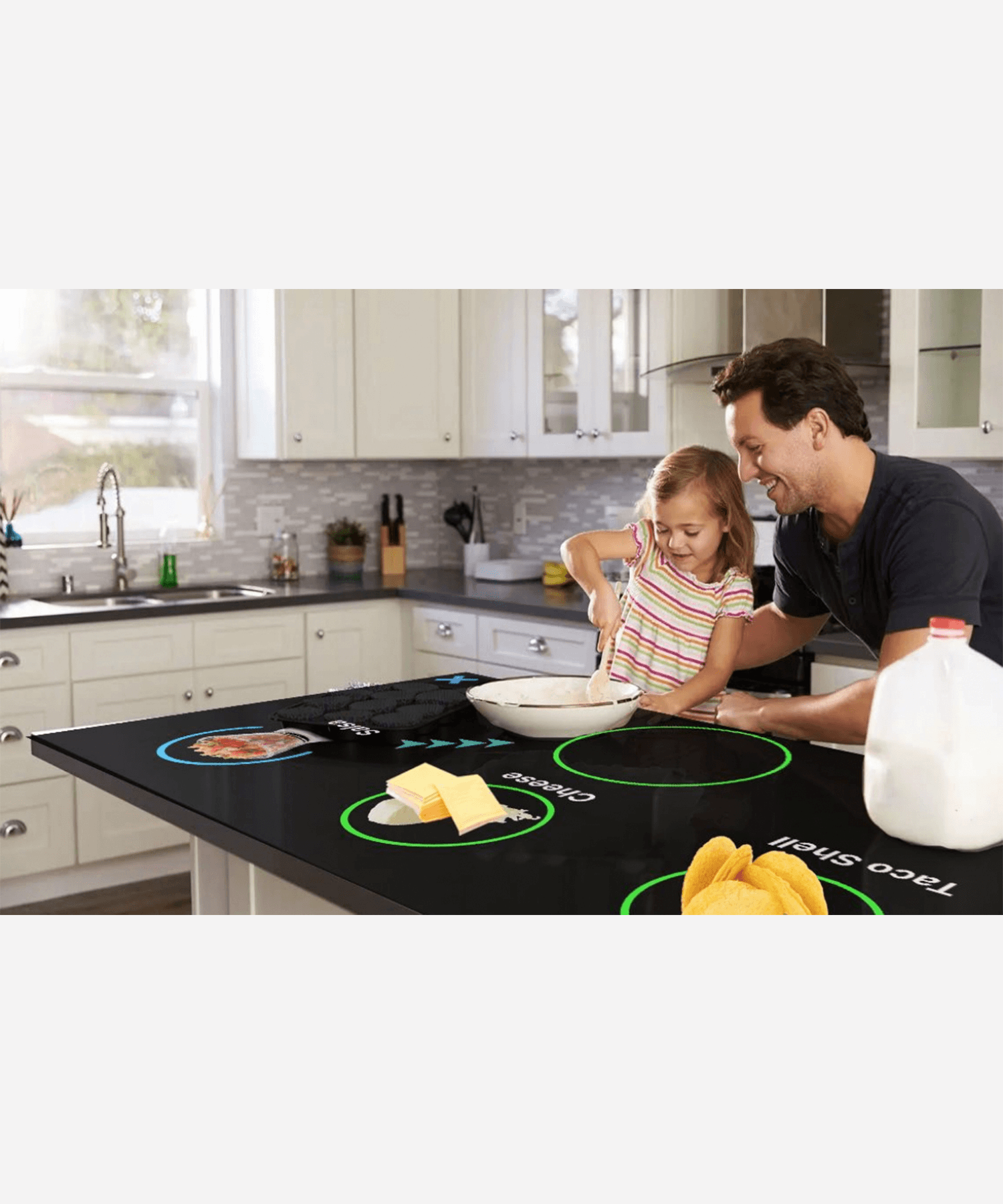
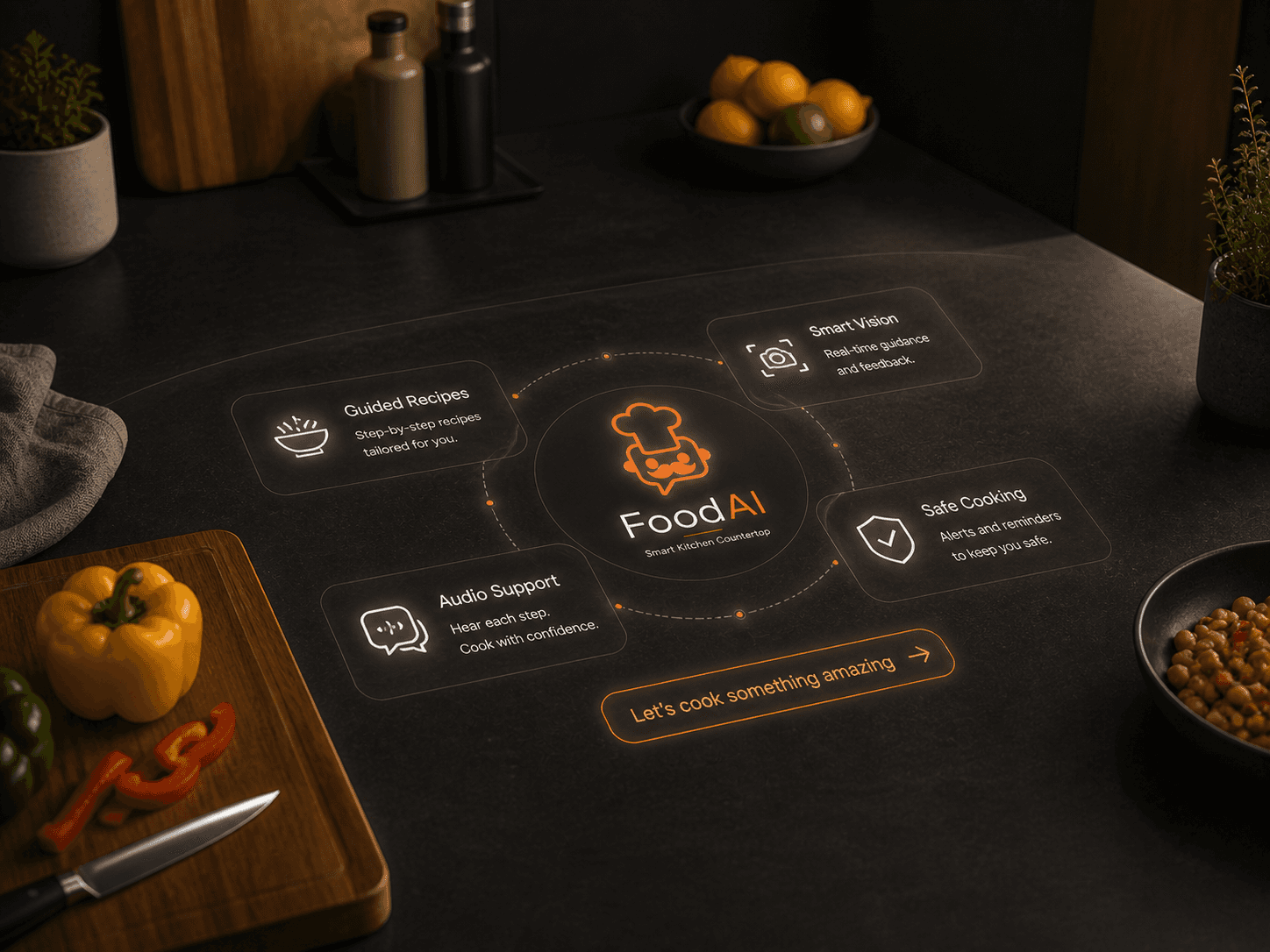
Smart Kitchen Countertop
Cooking Made Simple. Confidence Made Possible.
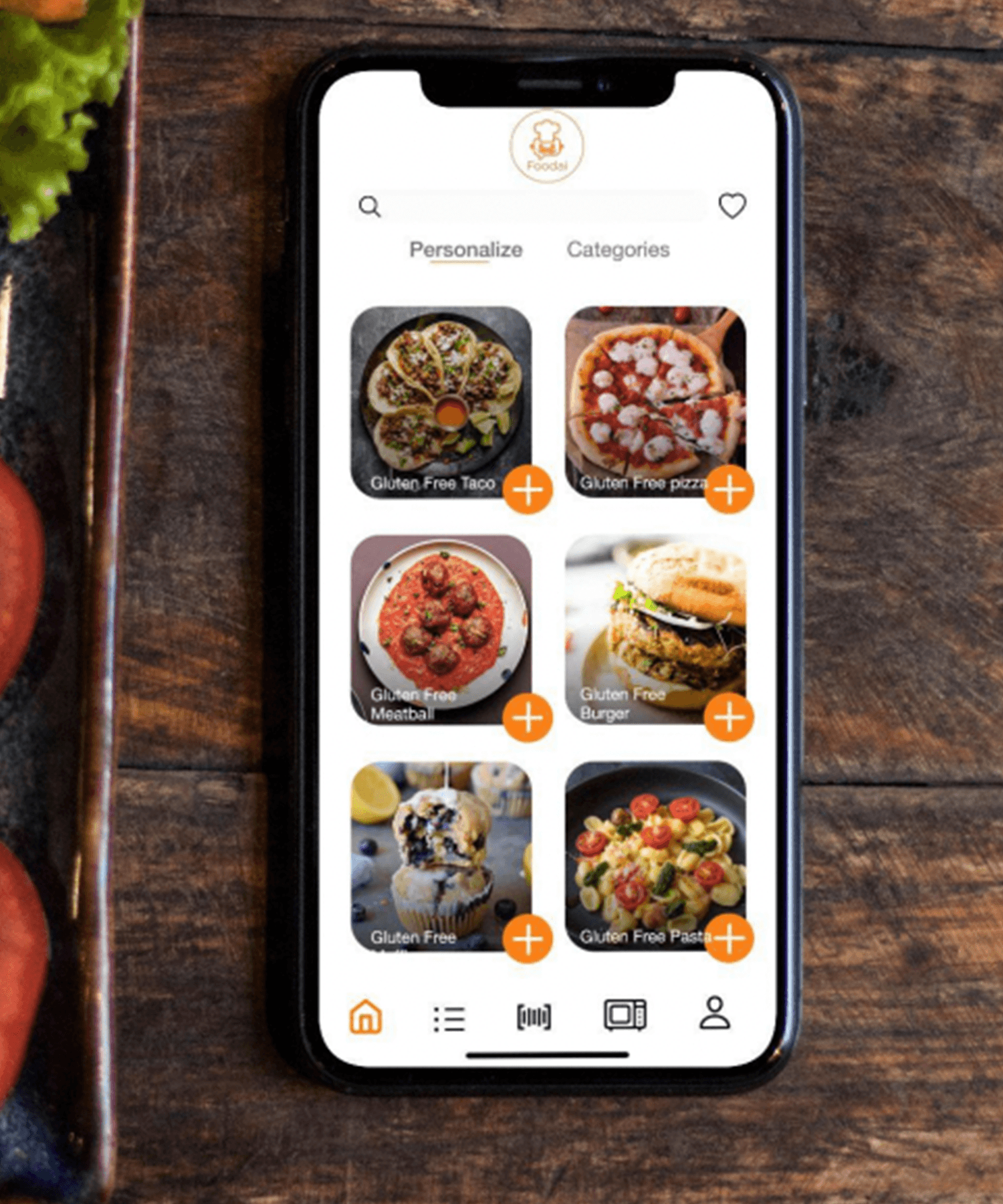
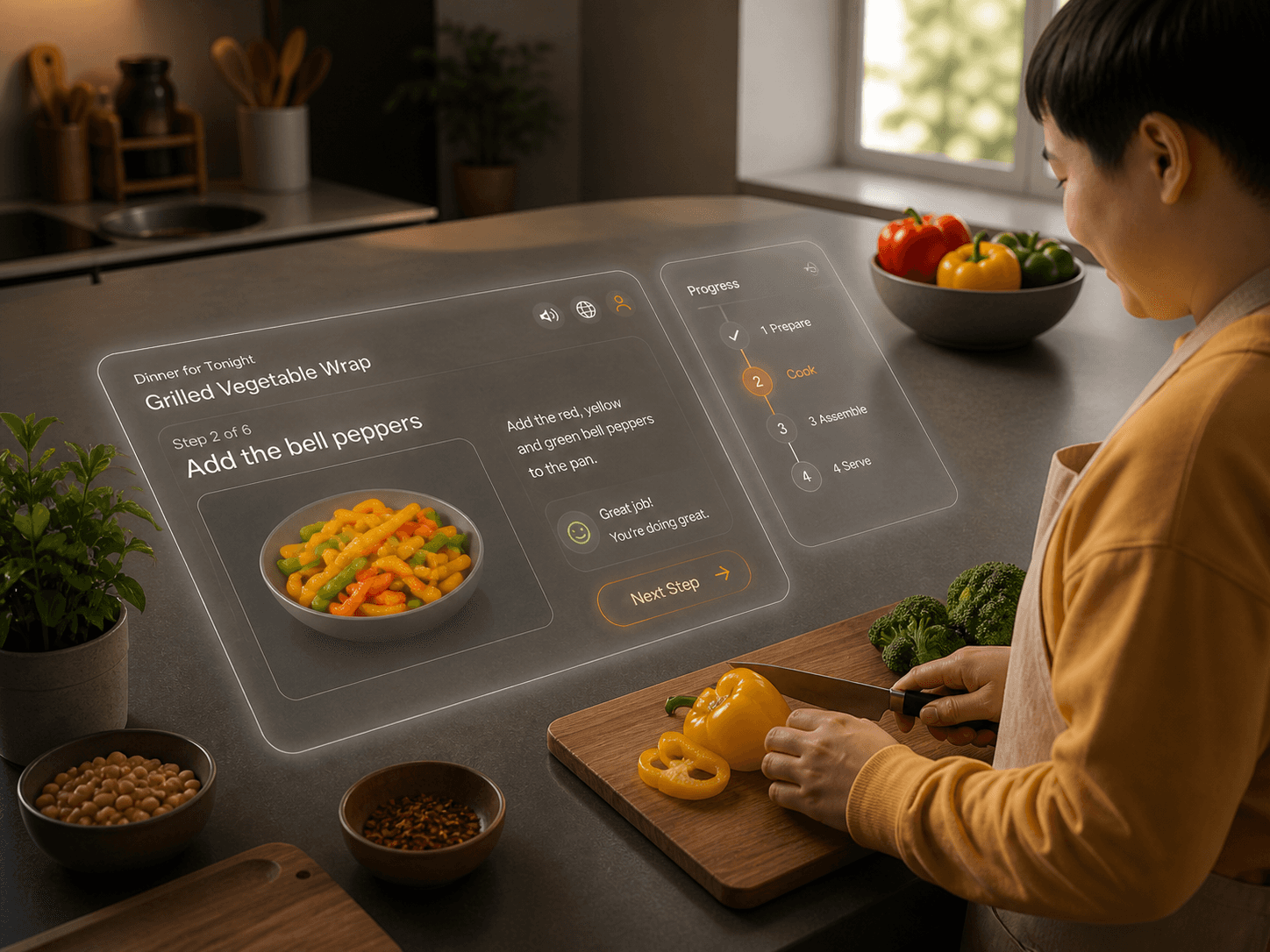
Food AI is an immersive, accessible cooking experience. The Food AI system guides each user step-by-step, applies visual & audio support during their cooking experience, and is safe and intelligent.
———————
Adaptive Intelligence
Food AI uses computer vision and AI to understand each action in real time—from ingredient placement to cooking progress.
It delivers instant feedback and adapts to the user’s pace and needs, reducing uncertainty and cognitive load in the kitchen.
———————
Designed for Accessibility
Every detail is intentionally designed for inclusivity.
With large visuals, simplified steps, audio guidance, and color-coded cues, Food AI supports users with diverse cognitive needs—enabling independent, confident cooking.
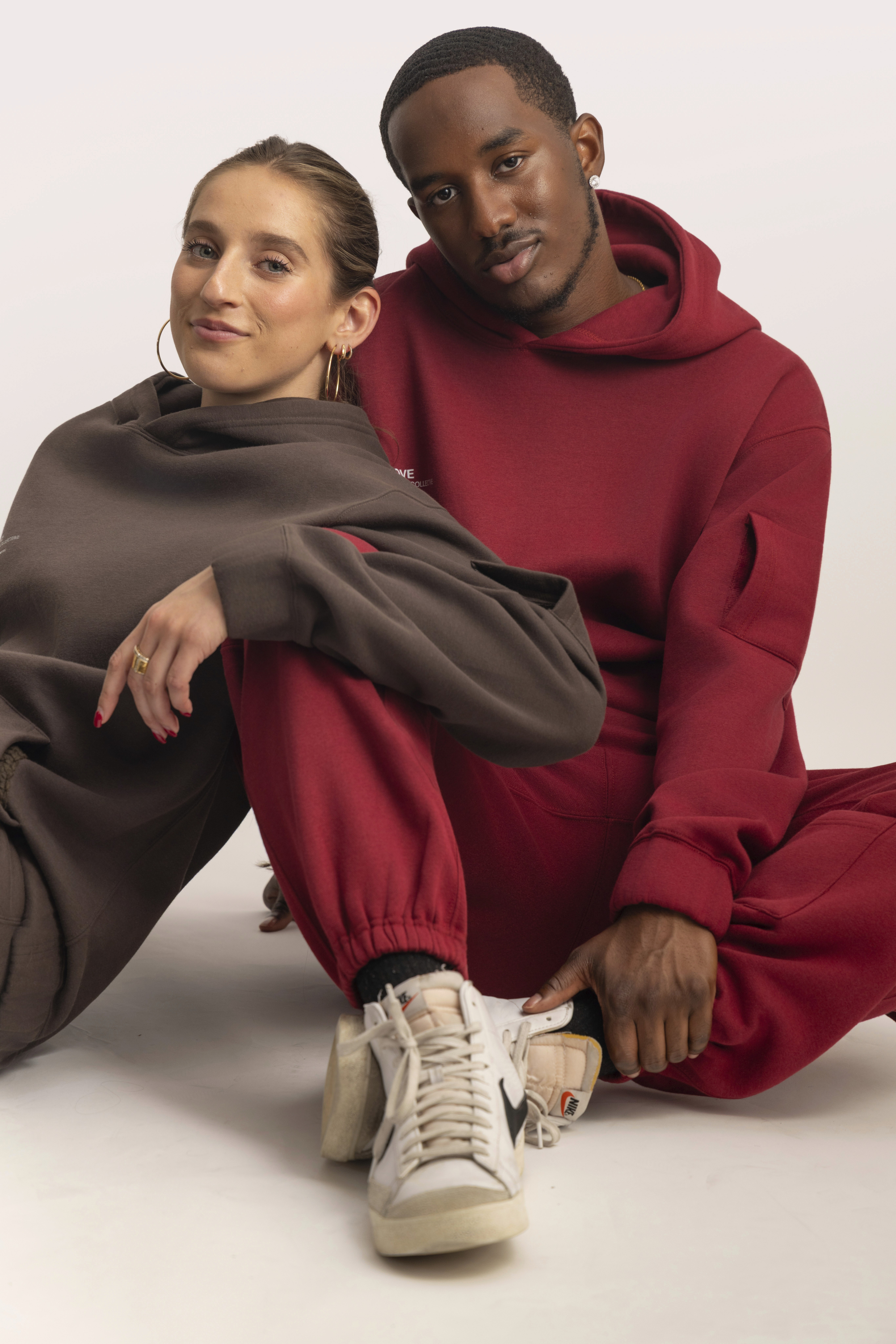
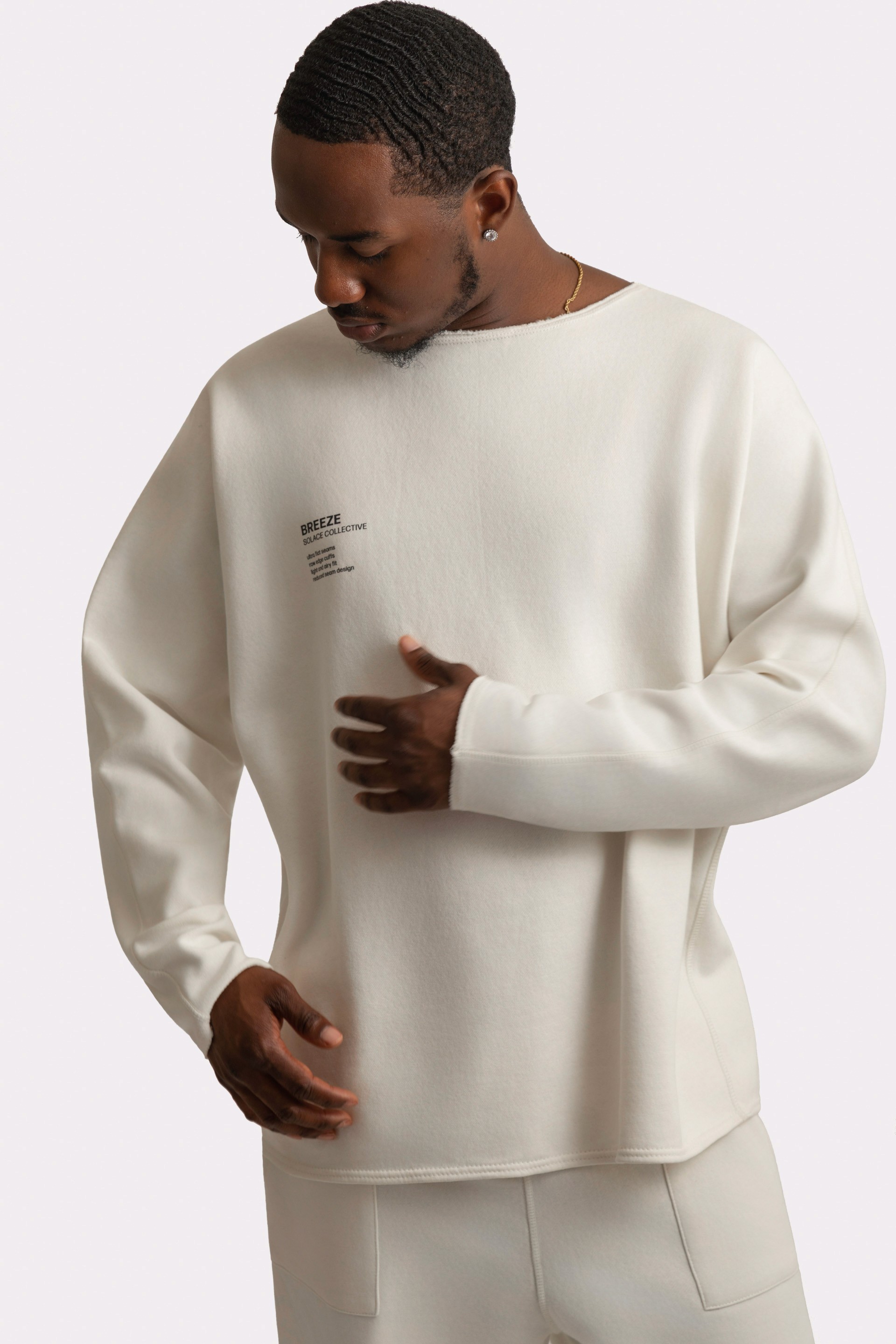
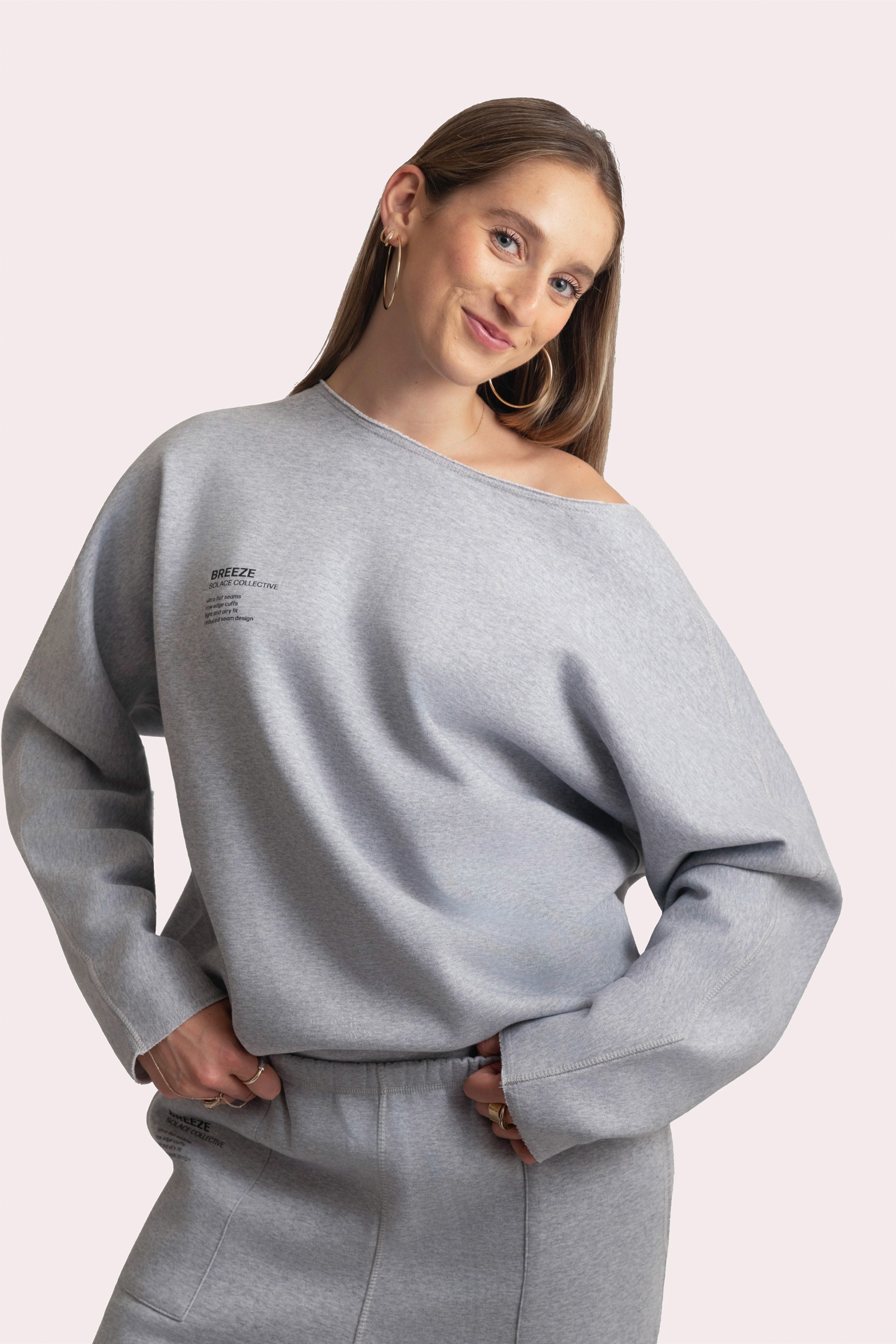
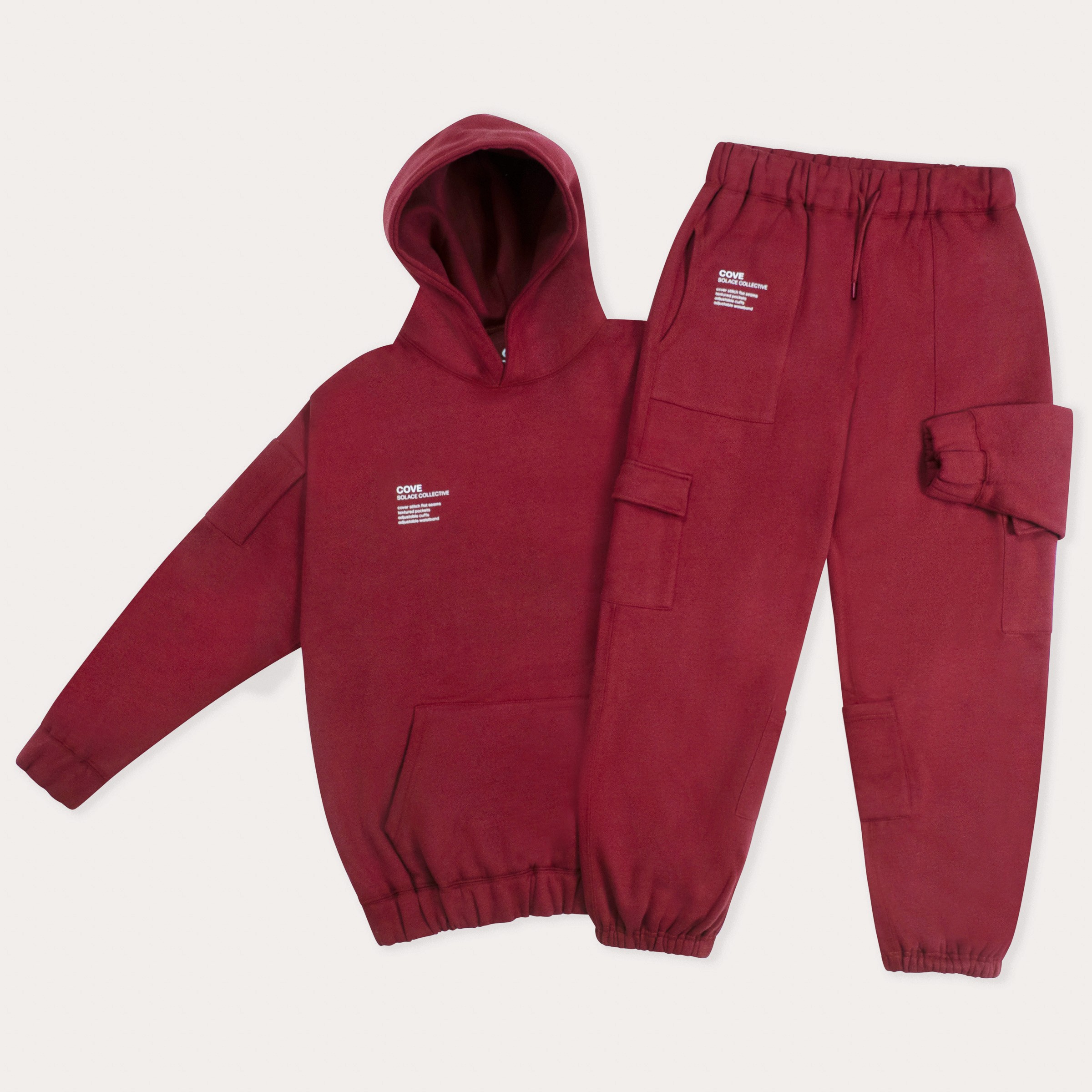
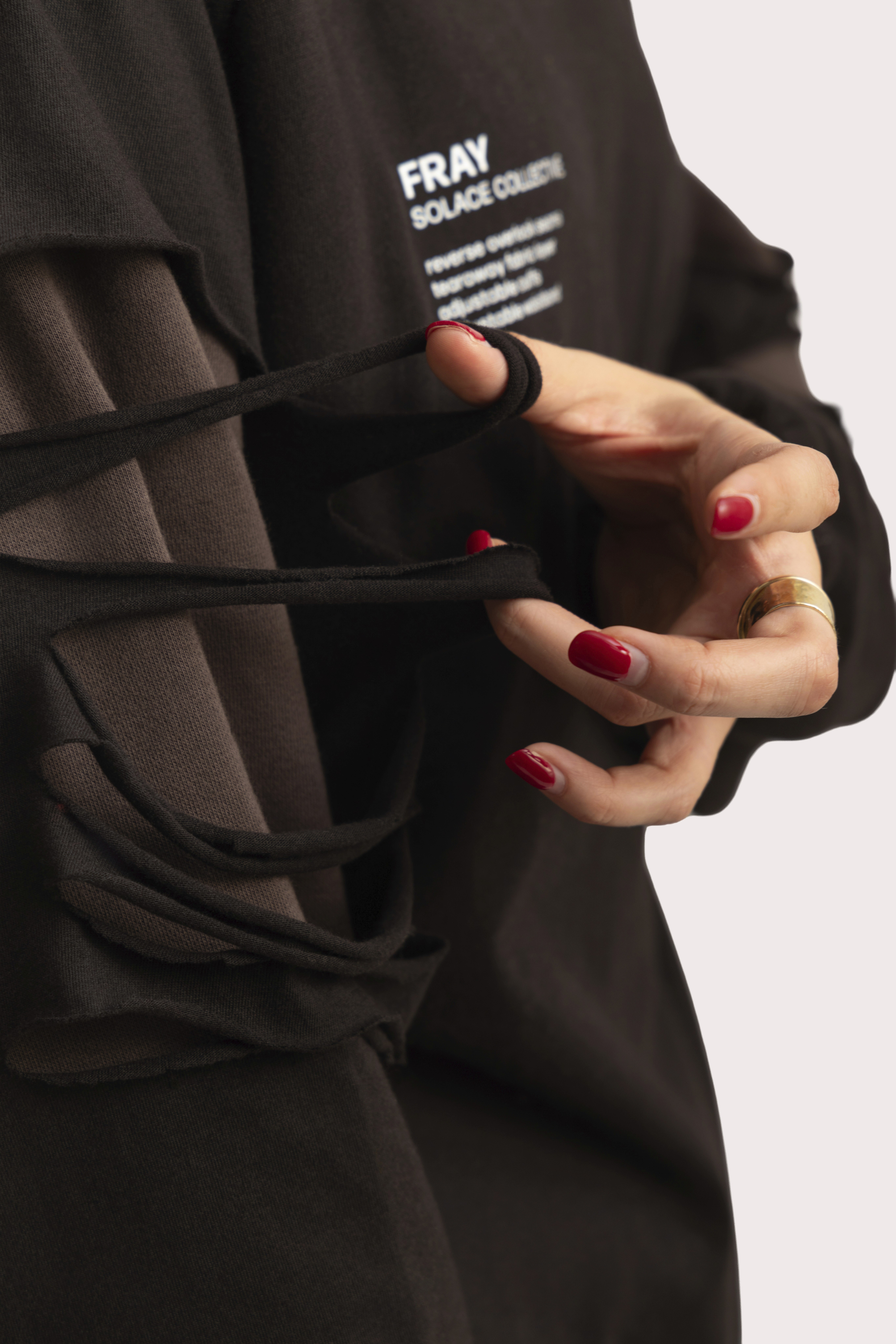
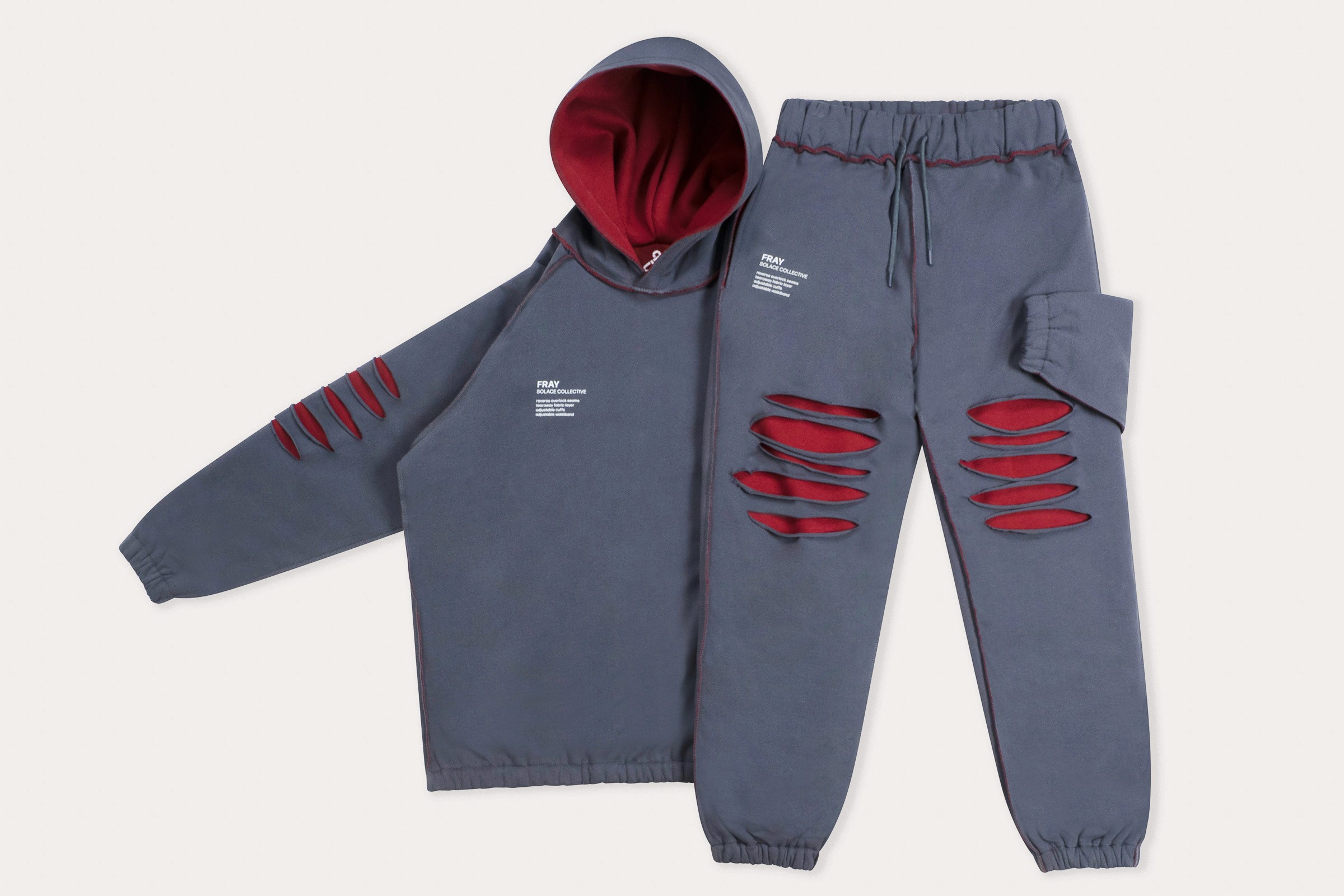
A seamless garment that leads to a calmer experience.
SOLACE Collective began with a question:
For those who are highly sensitive in their sensory perception, could clothing provide a “solace” or a soothing balm in moments of over-stimulation?
The team partnered directly with neurodivergent individuals to understand sensory needs firsthand, as they moved towards creating a clothing line that calmed the nervous system.
The sensory features — including soft fabrics, tag-free construction, and seams that you don't feel — blend into the design of the clothes, in an effort to focus on style and subtlety.
The SOLACE project demonstrates how, when we consider neurodiversity and fashion, we don’t need to forgo style. We can do well by doing good.
Relearning how we move, in real time.
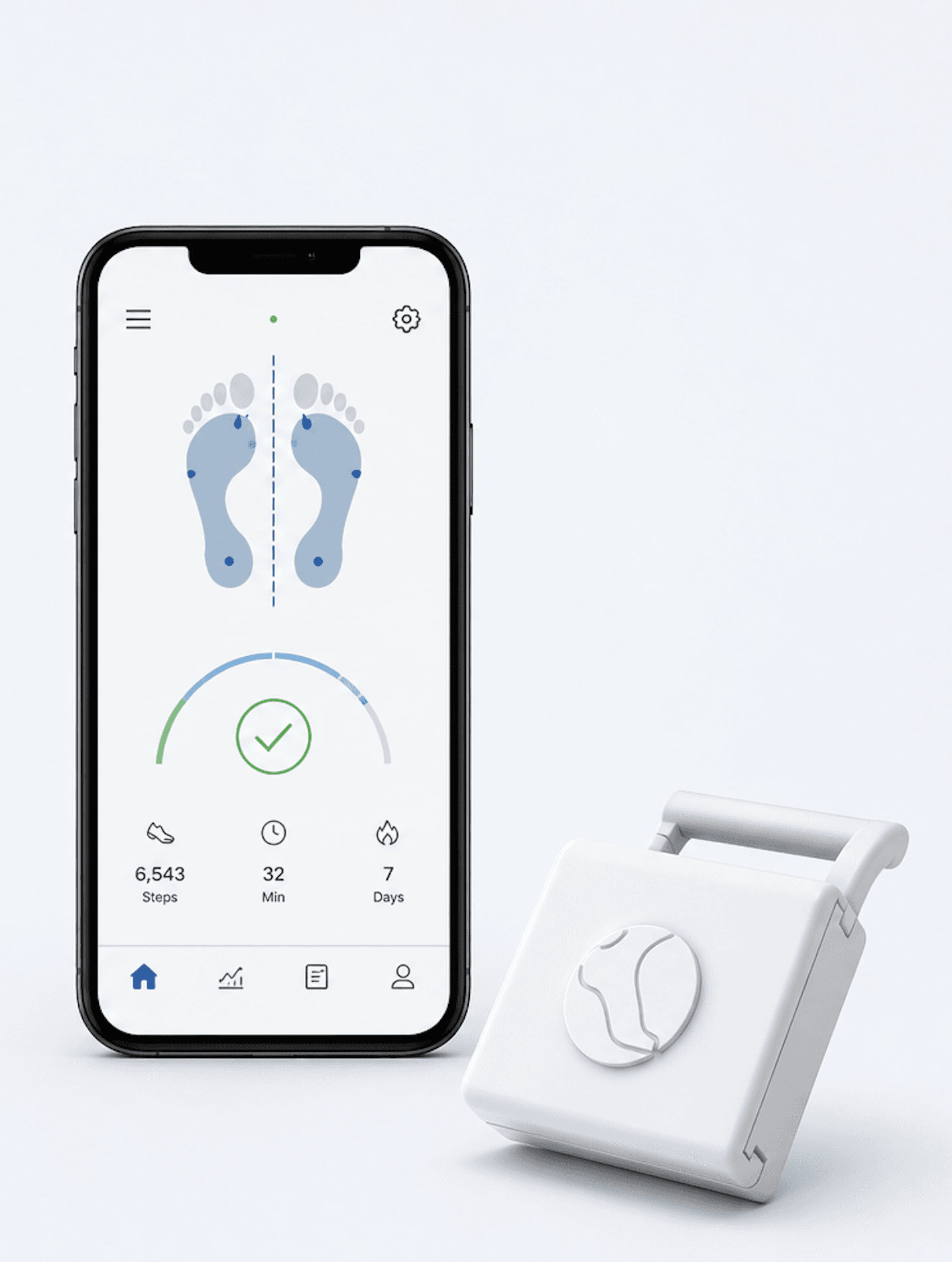
Natural Gait reimagines mobility support by bringing real-time, adaptive feedback to users — with particular impact for neurodiverse individuals whose gait patterns are often misunderstood or untreated.
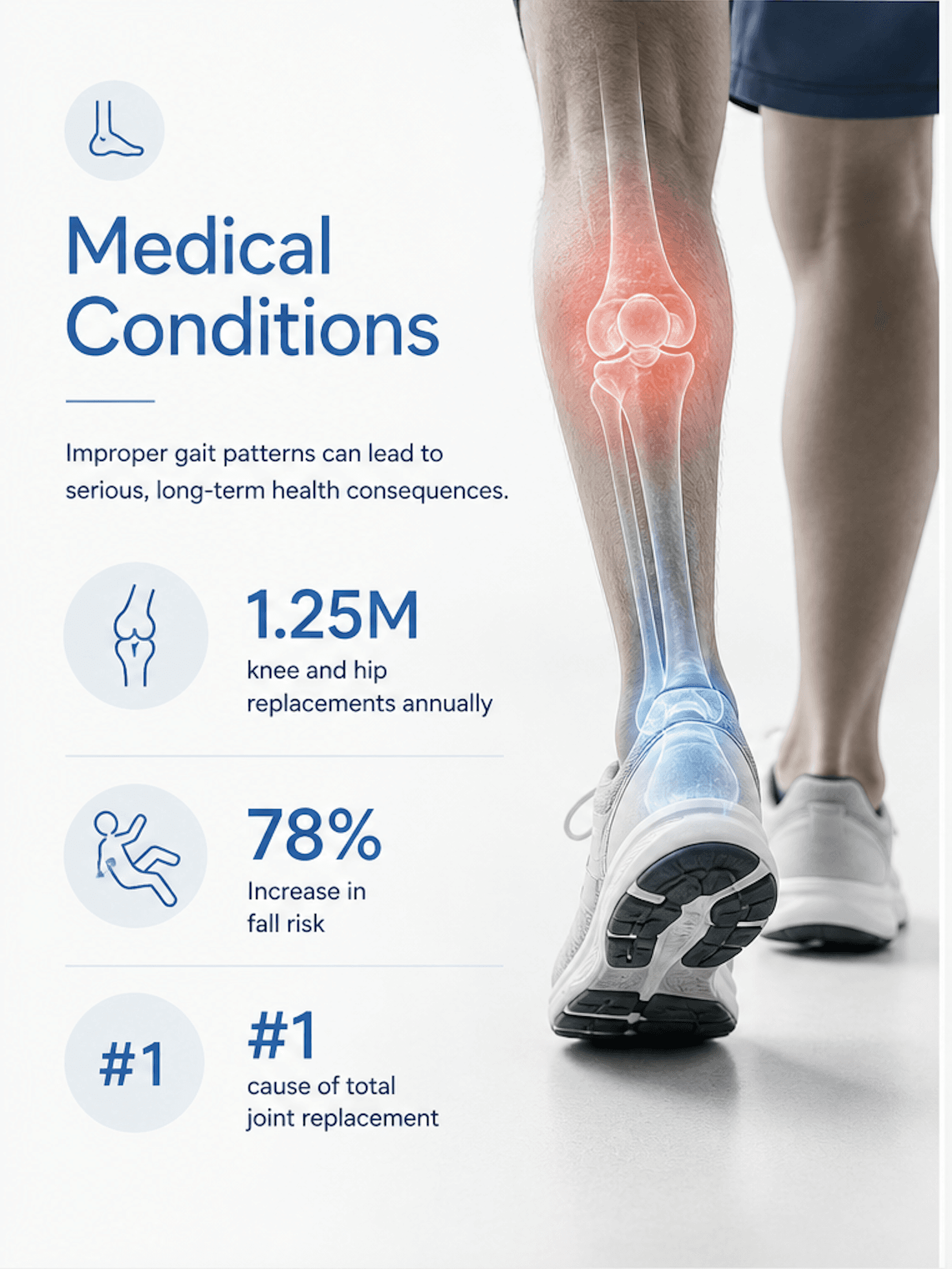
Improper gait — like in-toeing or out-toeing — is common, especially among people with developmental differences. Left unaddressed, it leads to joint damage, instability, and long-term health consequences.
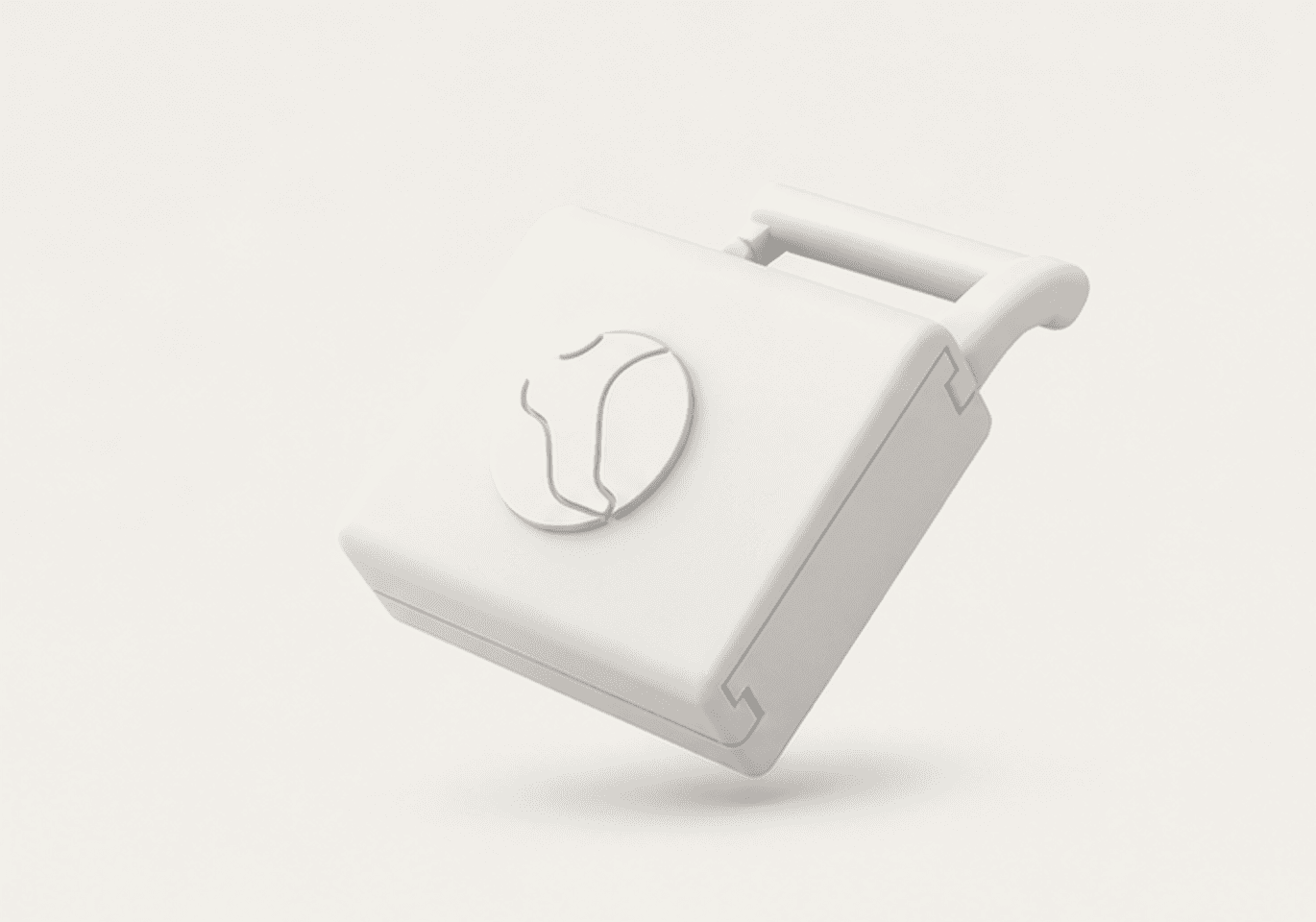
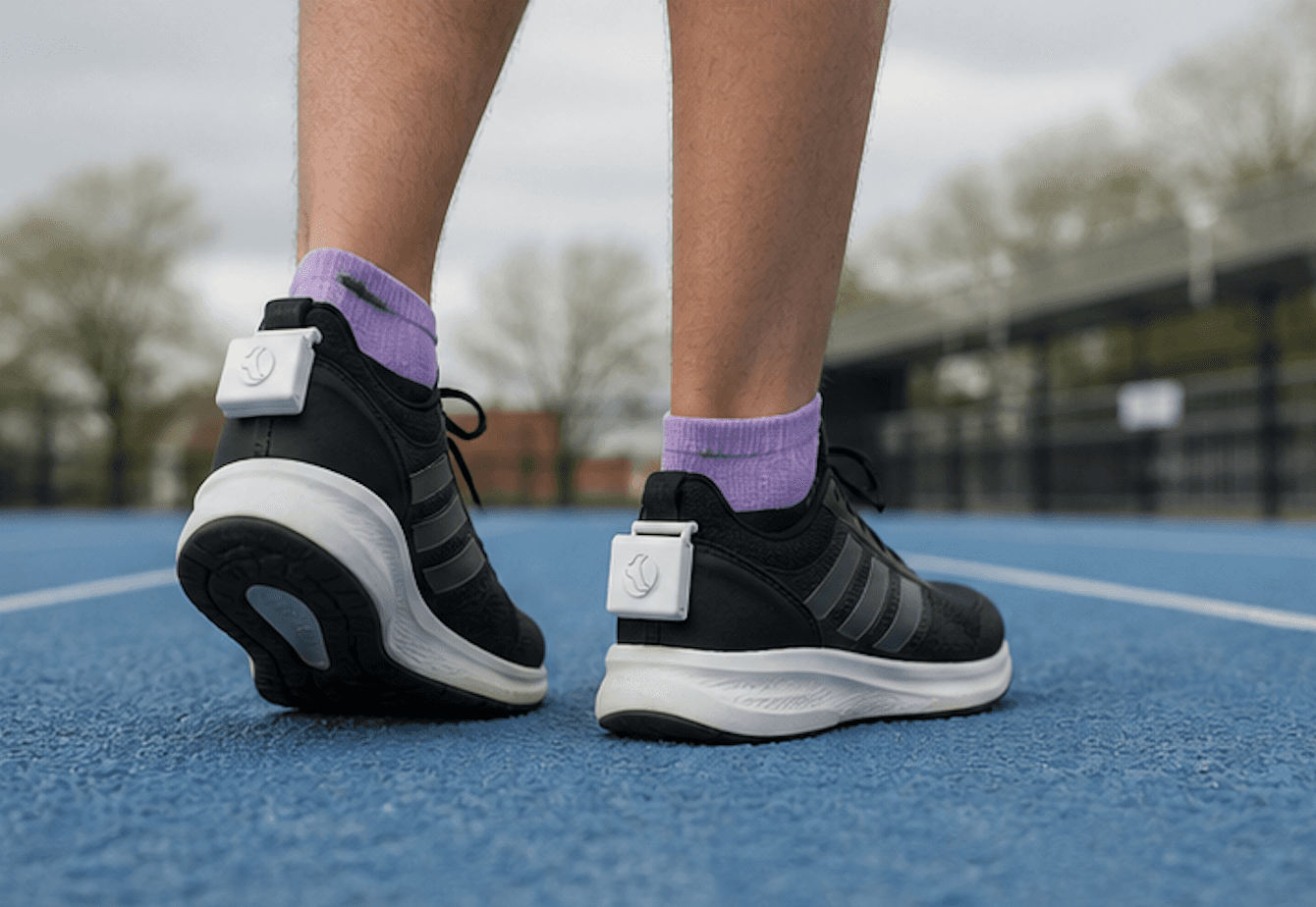
Natural Gait is a wearable device that attaches to any shoe, providing real-time feedback as you walk.
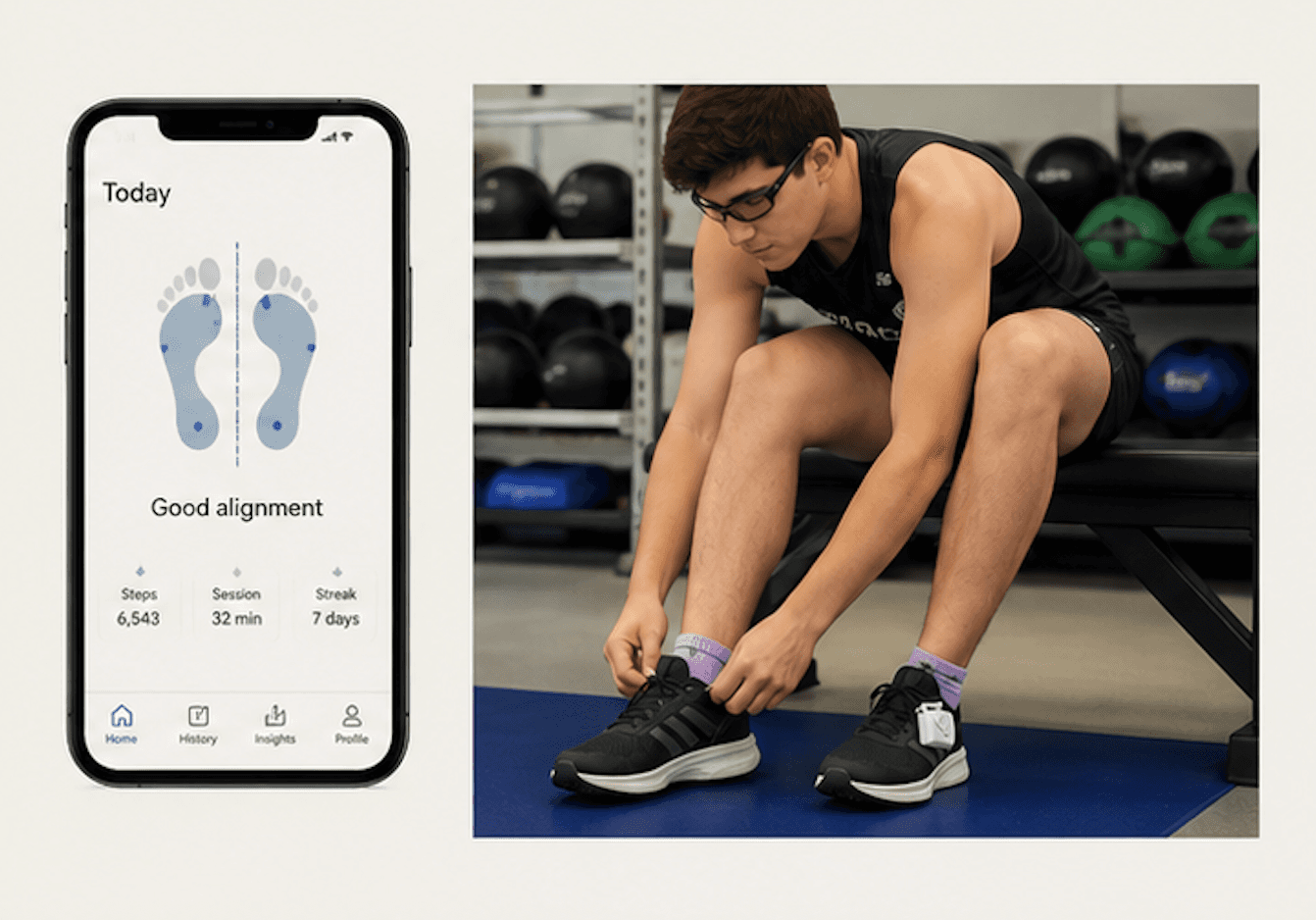
Paired with software, it guides positioning in real time, tracks progress over time, and connects directly with physical therapists.
Natural Gait doesn’t just fix movement. It helps the body relearn it. By supporting continuous, adaptive feedback, it reduces injury risk, improves quality of life, and reimagines what accessible care can look like.


Regulation with Ease
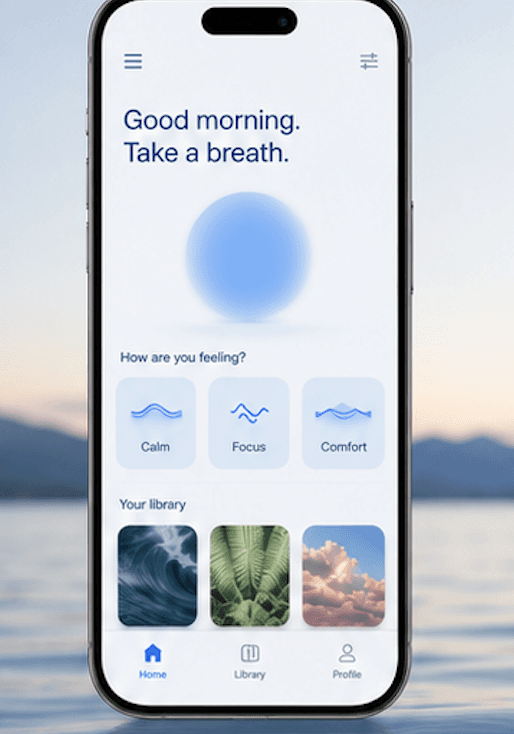
Serene Senses is a sensory-based emotional regulation platform designed for neurodivergent individuals.
In moments of overstimulation, it provides an intuitive space to access calming sounds, visuals, and personalized content—helping users regain control without added complexity. Built with accessibility at its core, the interface prioritizes clarity, speed, and ease of use when it matters most.
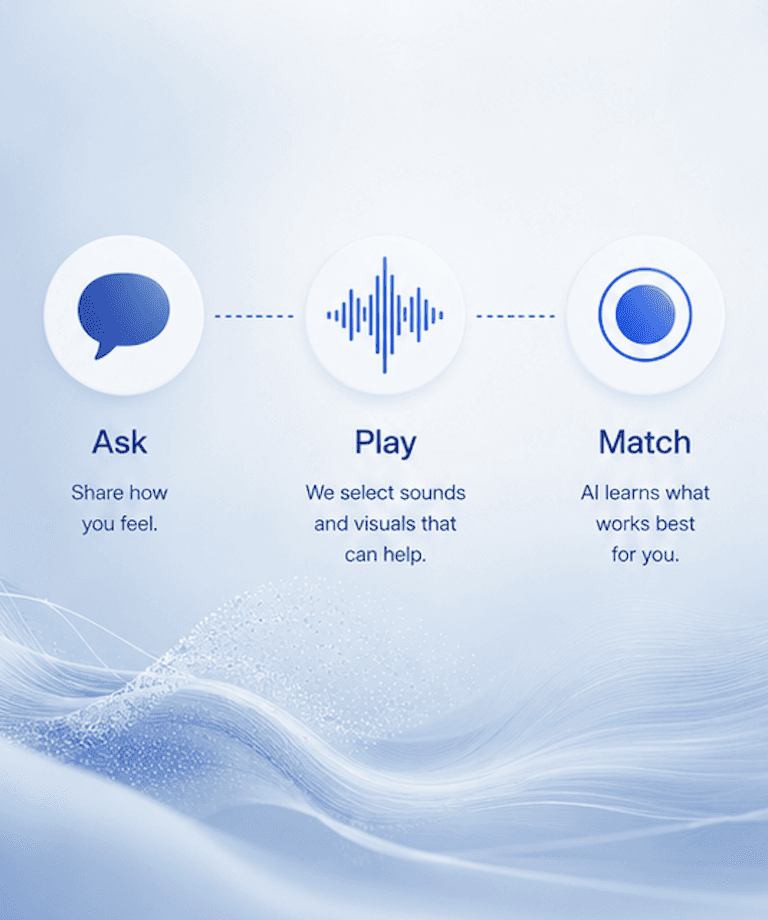
The platform translates emotion into response. Through a simple flow—Ask, Play, Match—users can communicate how they feel, receive tailored sensory inputs, and find what works for them in real time. Powered by emotion analysis and adaptive learning systems, Serene Senses continuously refines its understanding of each user’s needs, creating a deeply personalized experience over time.
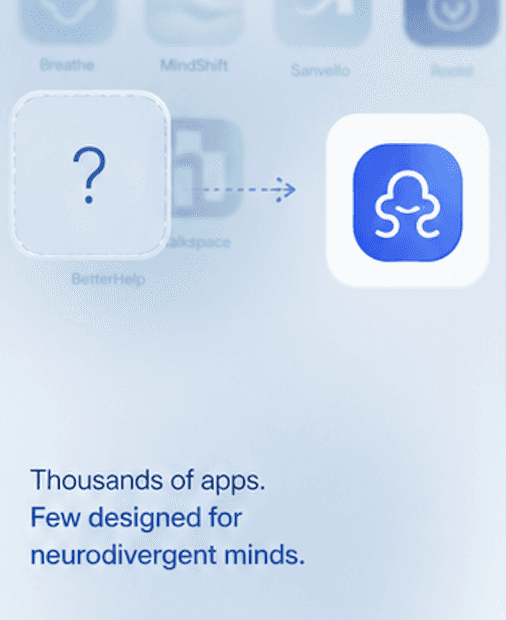
Despite thousands of tools addressing anxiety, few are designed with neurodivergent users in mind. Serene Senses bridges that gap by centering accessibility, autonomy, and emotional safety. It not only supports individuals in navigating overwhelming moments independently, but also strengthens connection to their broader support systems—reframing regulation as something empowering, not reactive.
Wrapped in a sense of calm.
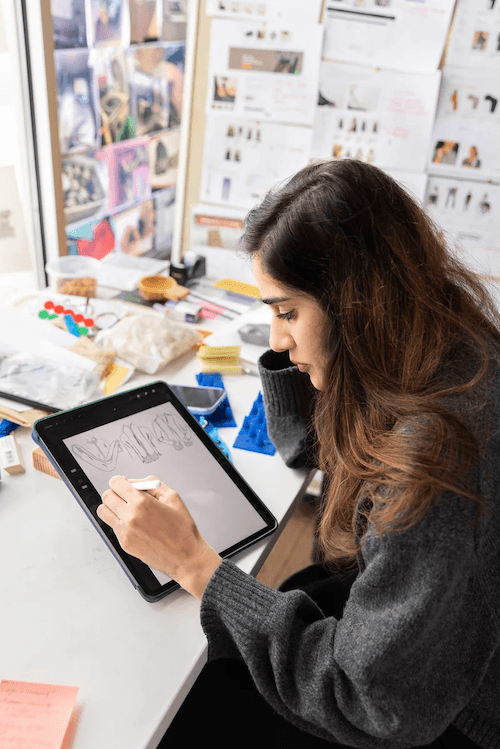
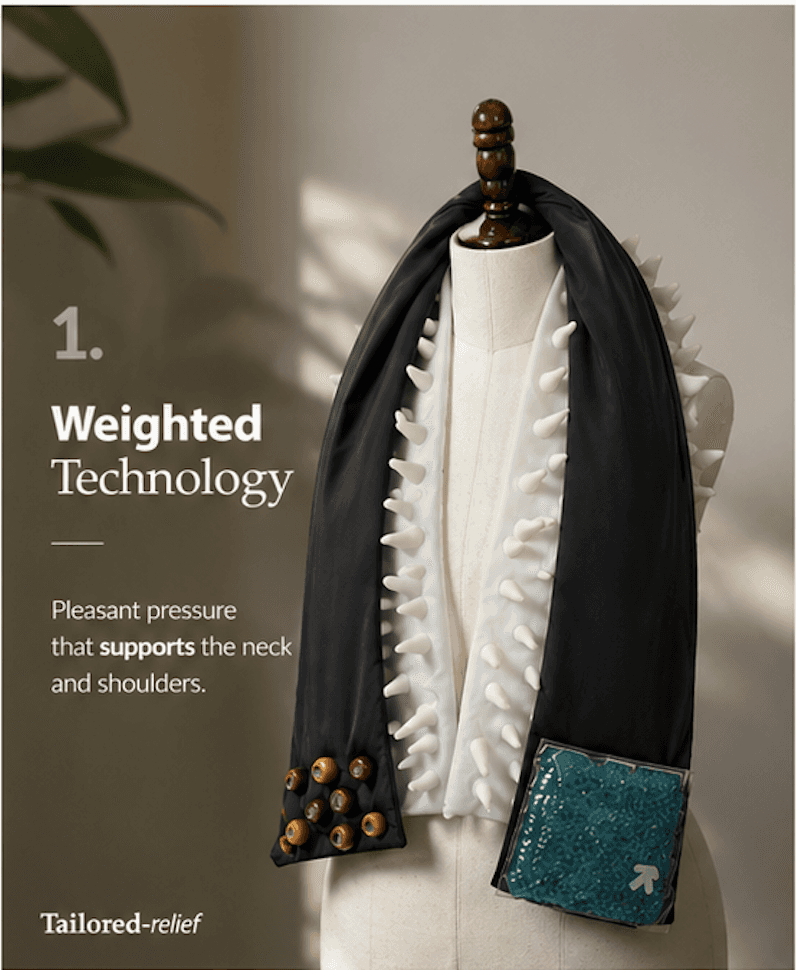
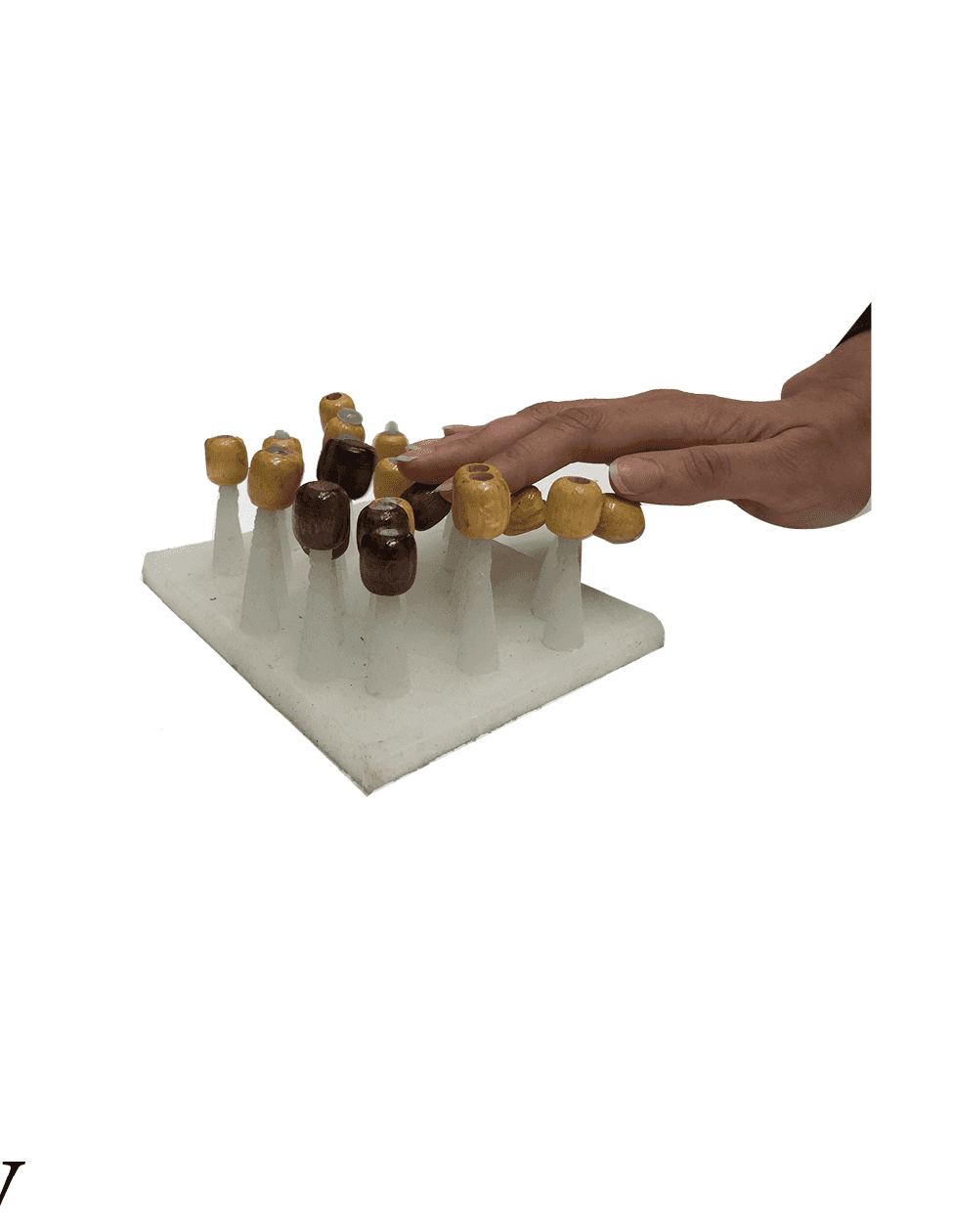
The Weighted Scarf is a fashion accessory that allows wearers to self-soothe and find grounding in everyday life. With disguised fidget accessories, gel pockets, and thick fabric that adds weight, the scarf incorporates various pieces for each wearer to be wrapped in a sense of calm.
Rabia Razzaq, founder and lead designer, is presently working on expanding the design of the scarf. She has explored various iterations of the piece, while partnering closely with Intelligence⁺⁺ to identify the most successful, well-rounded product. Her journey is an example of how, with iteration and holistic thinking, the right idea can be uncovered.
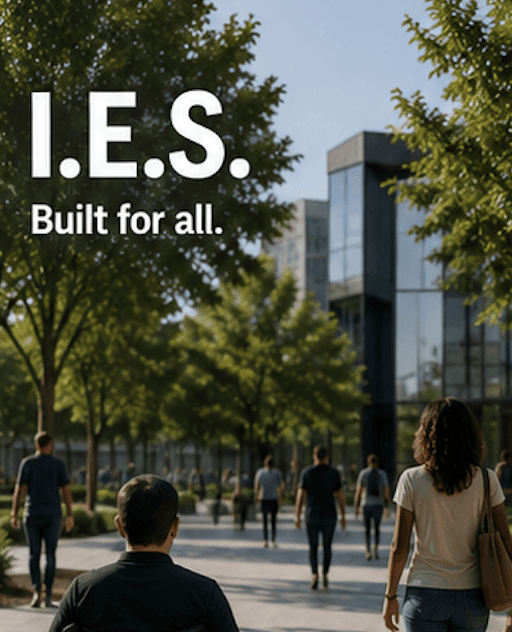

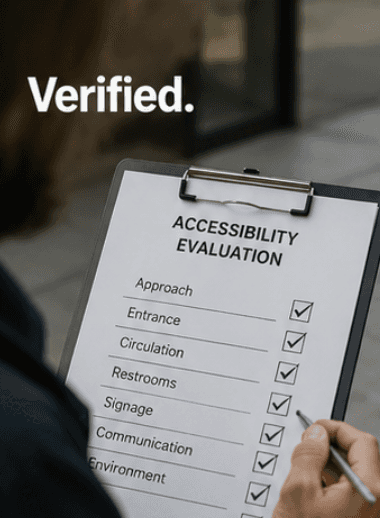
A Holistic Way to Verify Inclusivity
Inclusive Environments + Strategies (I.E.S.) reimagines accessibility by moving beyond minimum compliance toward environments that are truly usable, dignified, and welcoming for all.
It introduces a third-party validation system that measures how spaces perform across sensory, cognitive, and physical dimensions—ensuring inclusion is not assumed, but verified.
By embedding continuous evaluation, real-world testing, and clear standards into the built environment, I.E.S. creates a framework for accountability and improvement.
The goal is to shift design from obligation to intention, where accessibility enhances everyday experience rather than limiting it. Ultimately, I.E.S. positions inclusive design as both a human imperative and a driver of better, more thoughtful spaces.
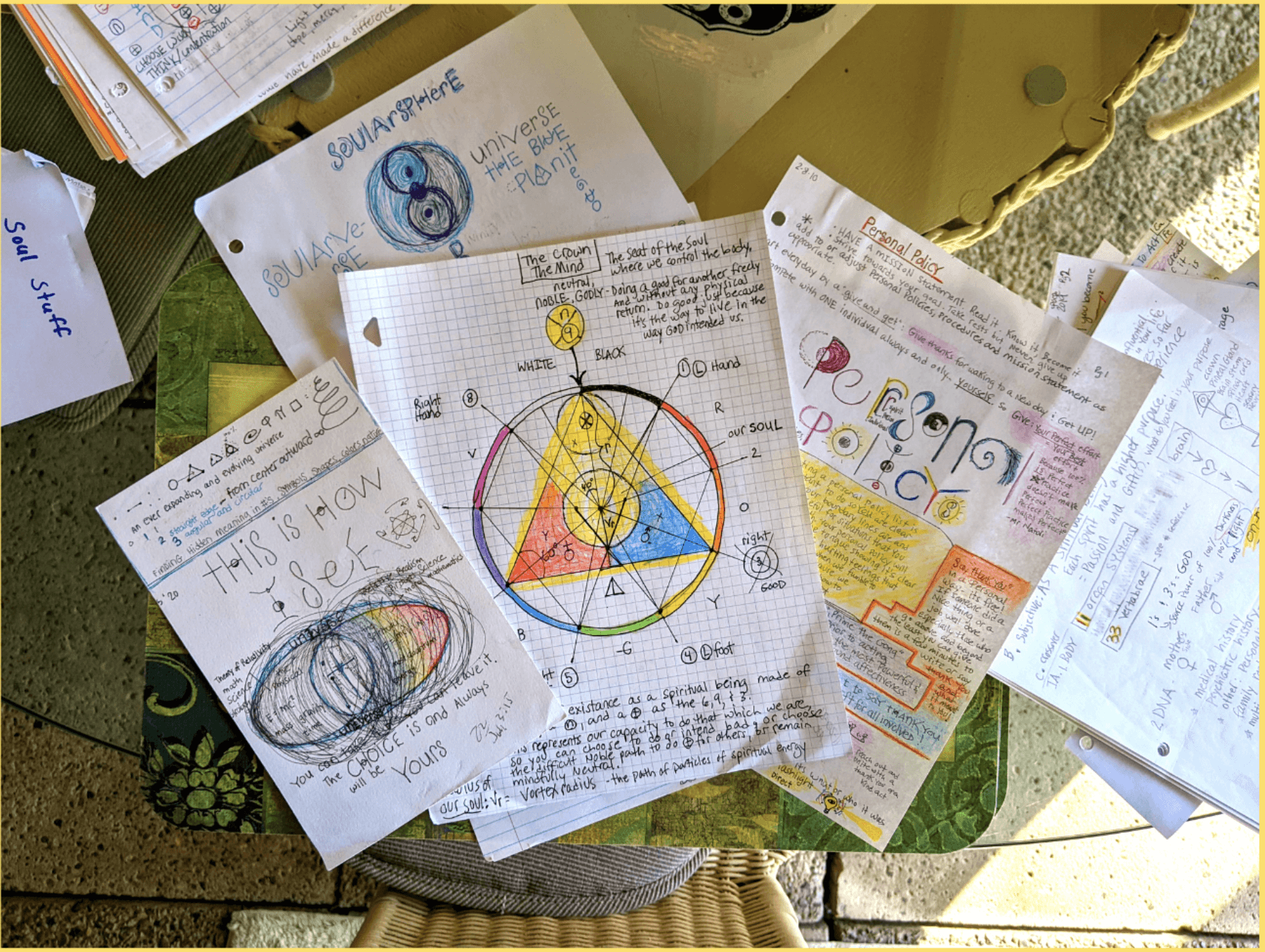

Storytelling for Neurodiversity
Bladepoint Media is a storytelling platform designed to empower emerging and neurodivergent creators through accessible creative tools, educational resources, and community-driven support.
Too many people abandon storytelling because of perfectionism, fear of criticism, lack of accountability, or cognitive barriers that make creative expression more difficult.
At its core, Bladepoint Media seeks to build an inclusive ecosystem where storytelling becomes collaborative, supportive, and achievable for everyone — especially neurodivergent individuals who are often excluded from traditional creative industries. The platform combines educational content, accountability structures, workshops, and digital community spaces to help creators move from idea to execution with confidence.
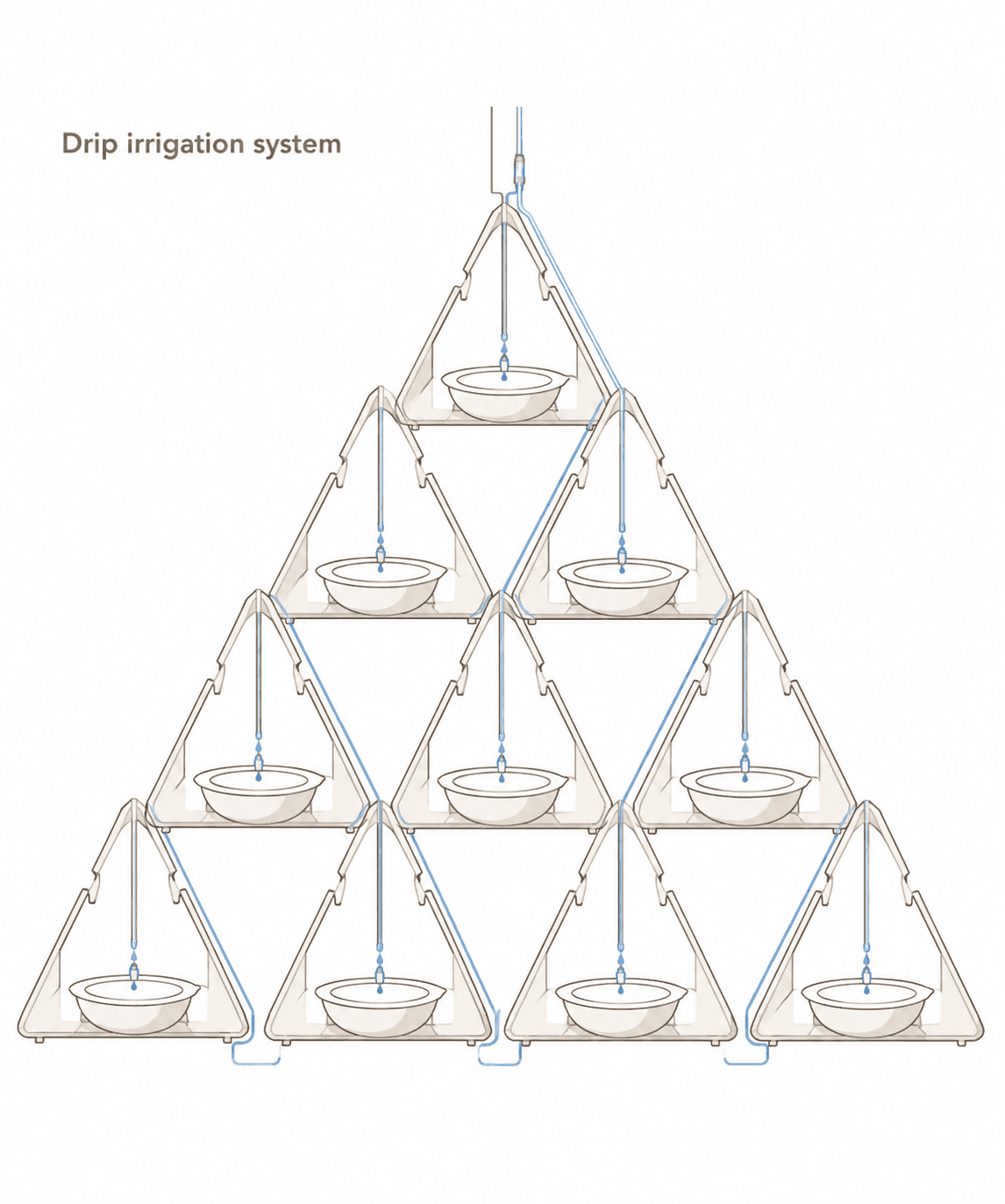
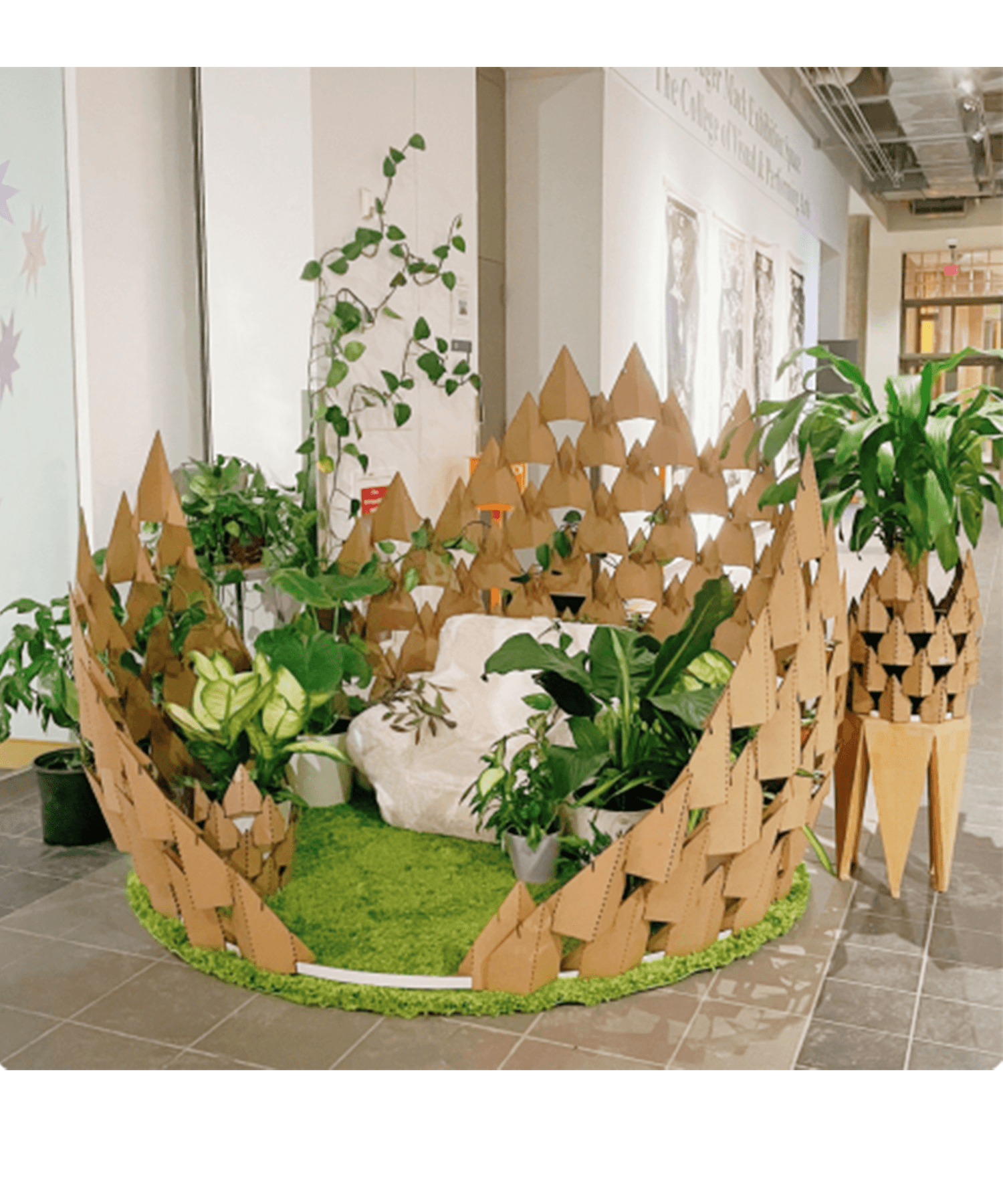
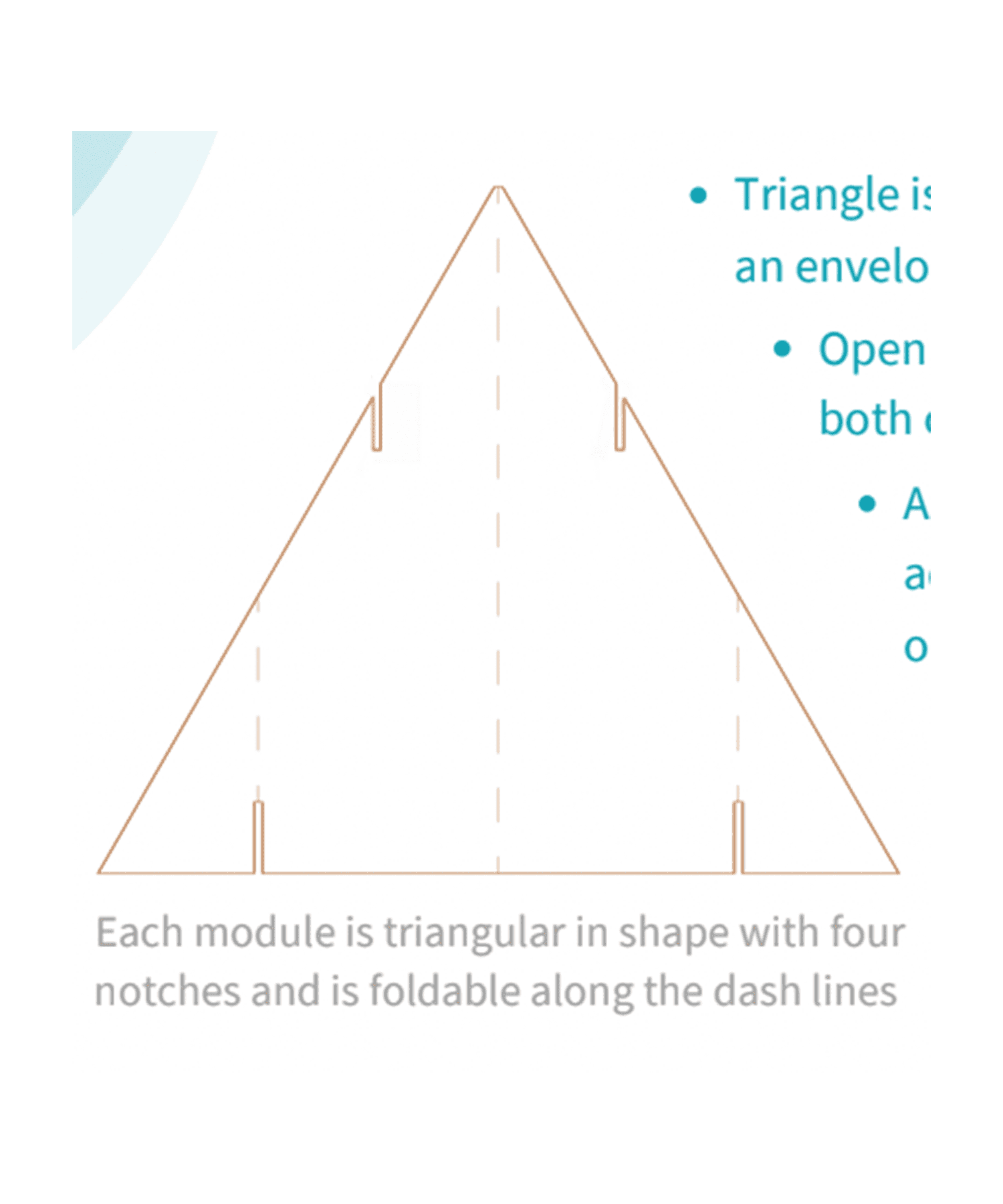

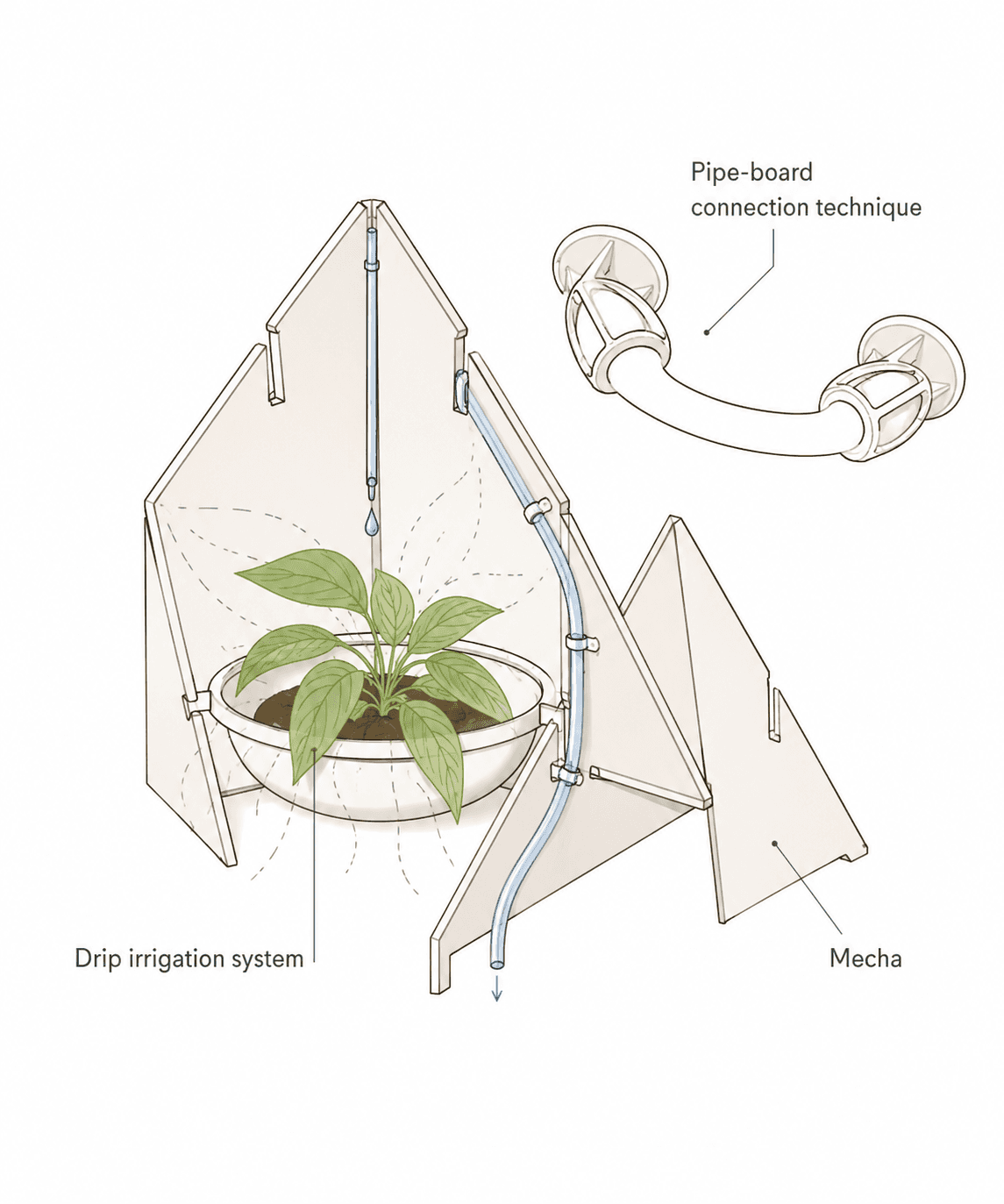
Find Calm Anywhere
The Relaxation Pod is an indoor bio-design installation.
The Pod brings restorative natural elements into everyday built environments.
It combines privacy, plants, and modular design to create a quiet space for immediate stress relief in schools, libraries, hospitals, airports, and shared public interiors.
Testing showed measurable heart-rate reductions among participants, with average drops of 4.25 bpm and 4.40 bpm across two prototype sites.
Speech Expression
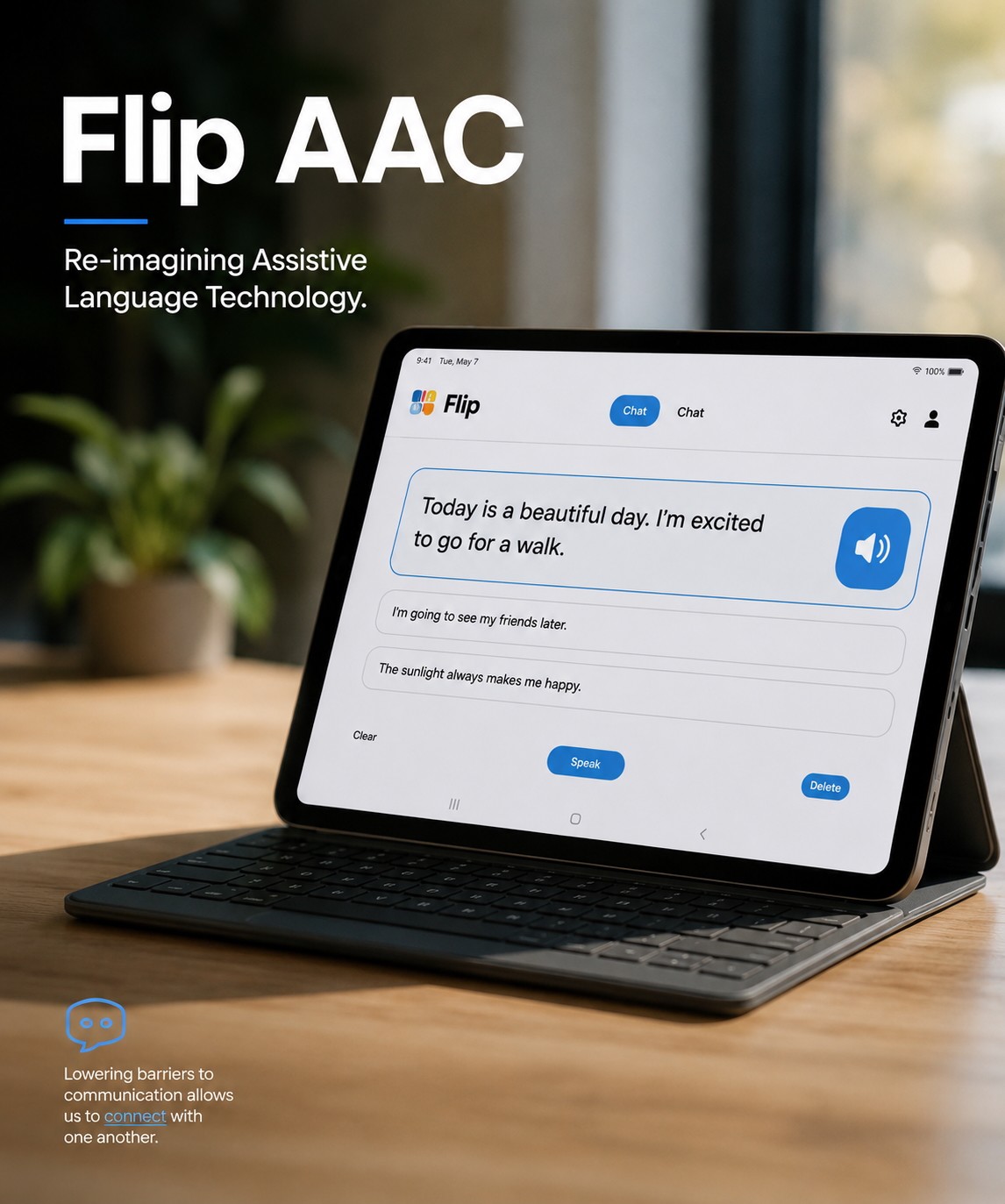
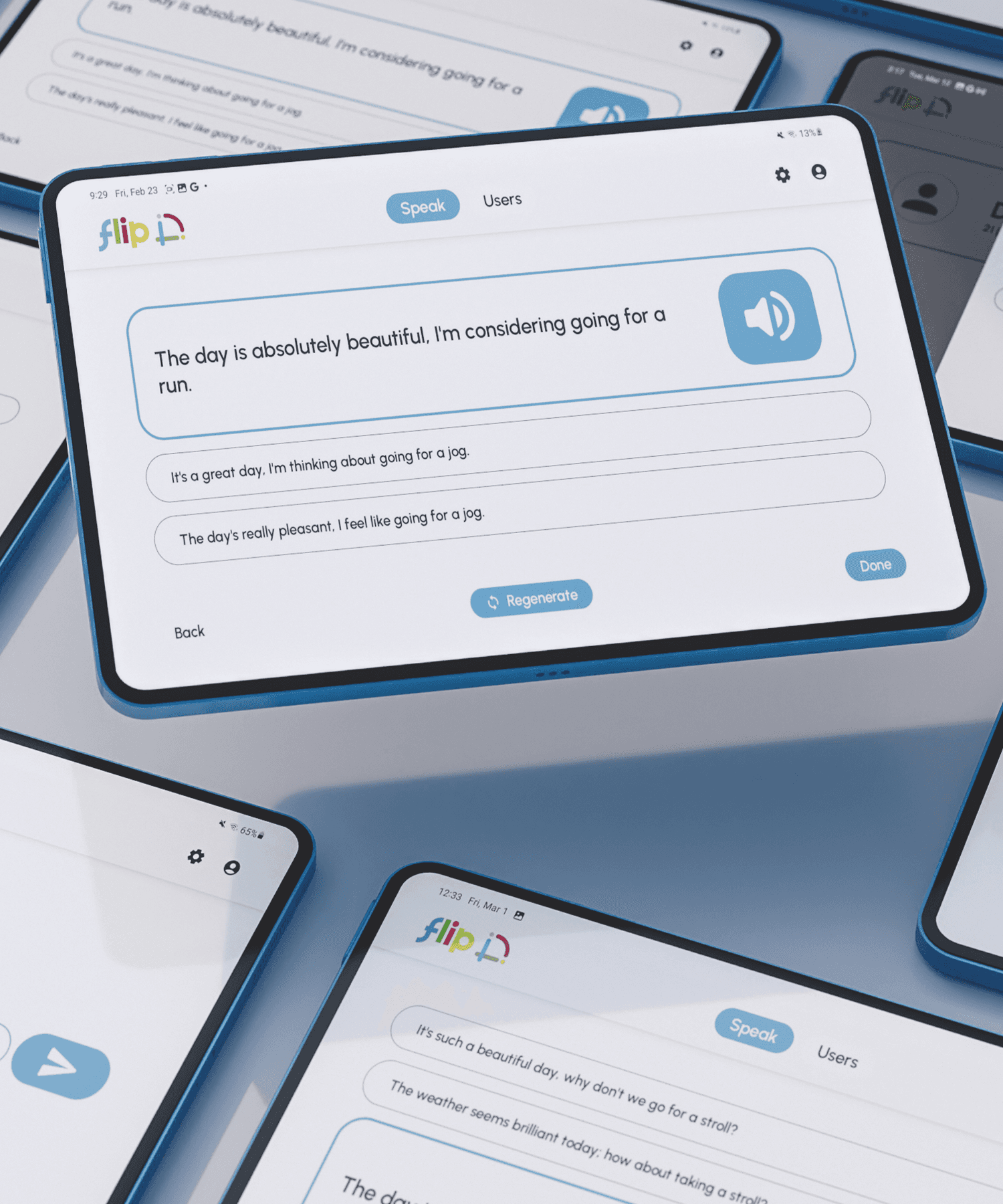
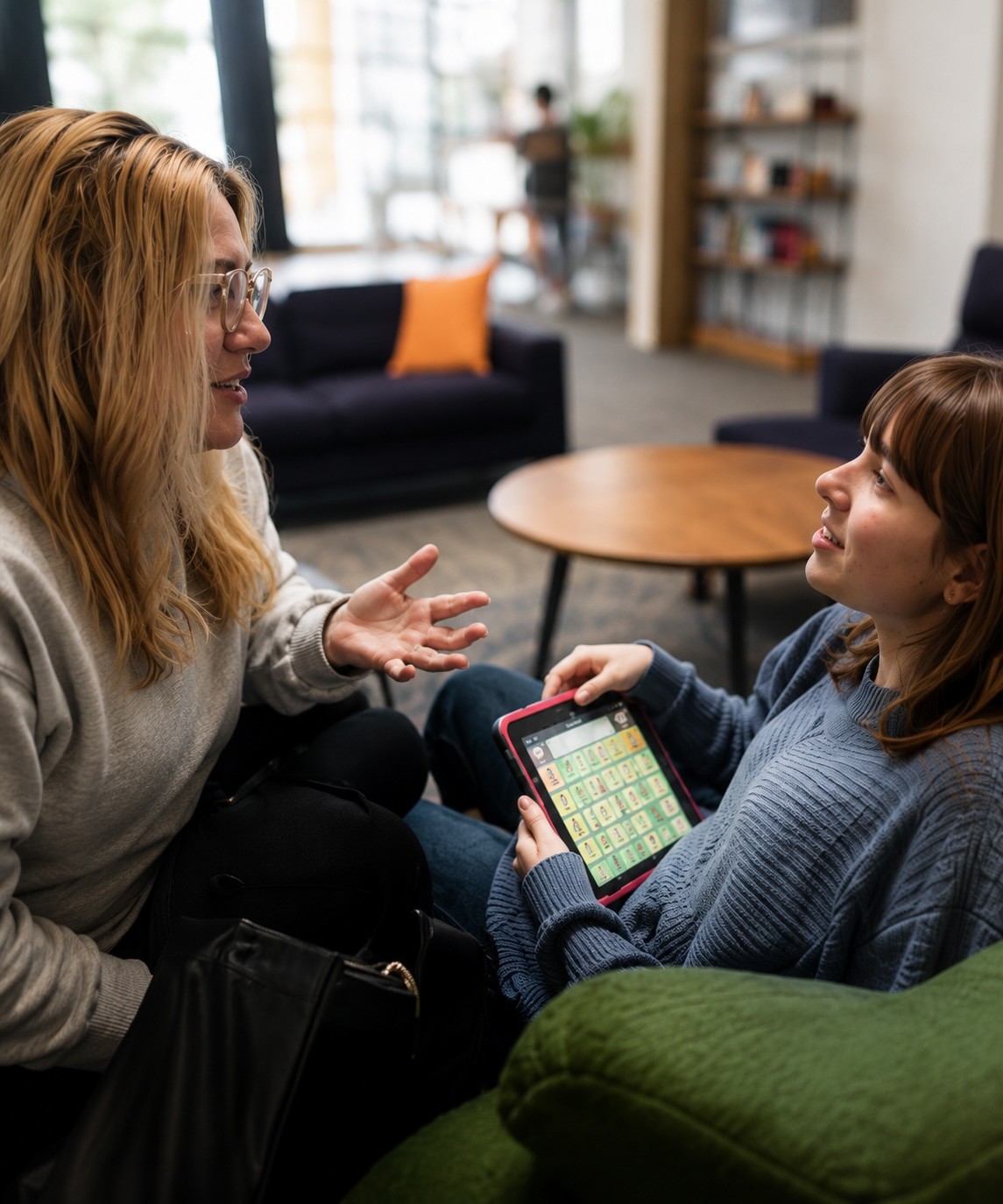
Flip is a design research project that explores the implementation of emerging technologies into Augmentative and Alternative Communication (AAC) tools. Flip's research aims to create generalized translation tools for people who rely on nonverbal speech methods to allow for seamless adaptation to verbal conversation.
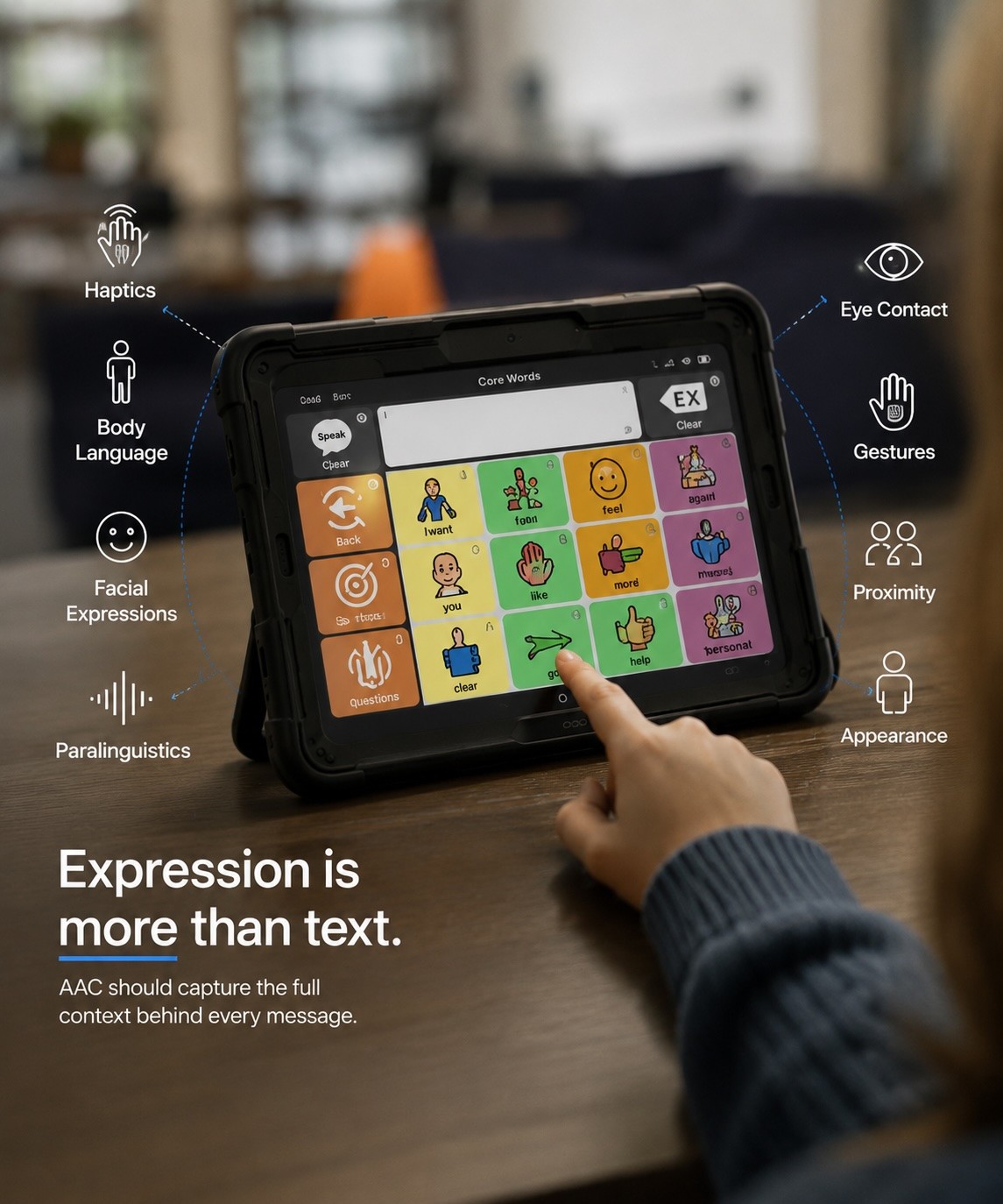
AAC tools include Sign Language, Braille, and Alphabet Boards. These tools are largely outdated and are often insufficient in their consideration of generalized usability. They also often lack extensive personalization or intelligence, leading to issues with high barrier to entry and demoralizing complexity.
Flip looked into applications of computer vision, artificial intelligence, alternative language input devices, and neuro-technology to devise a pipeline for speech suggestion, completion, and enrichment. This platform innovates in the field of language assistance technology by re-imagining user experience and expanding upon the field to accommodate new usability. Flip ultimately developed a functional prototype for the purposes of proof-of-concept and user testing.

Reimagining Teacher Support
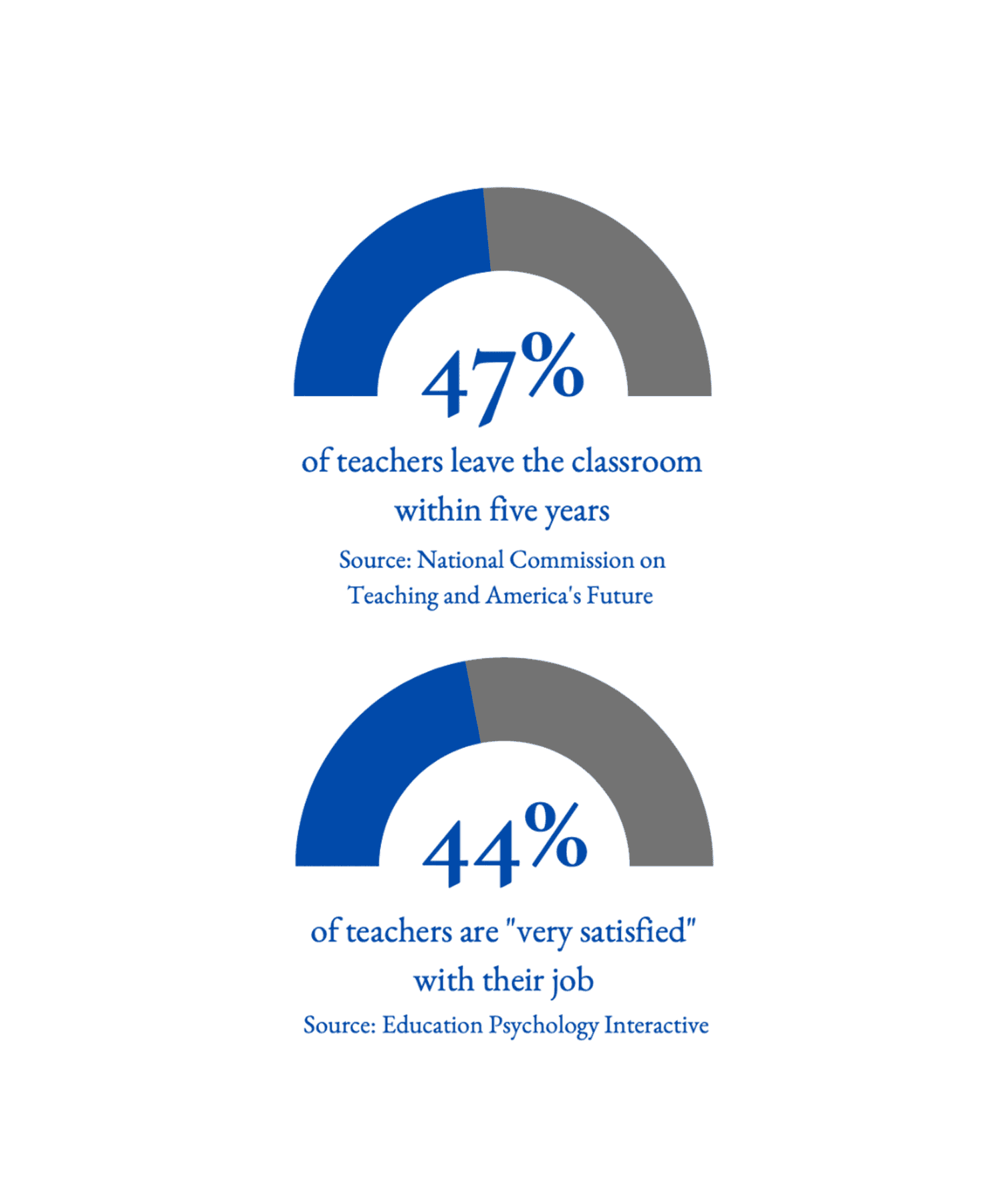
Many Hands reimagines teacher support through a distributed network of educators—built to meet the realities of neurodiverse learning. By embedding real expertise directly into classrooms, the model reduces burnout while unlocking more adaptive, human-centered education.
Many Hands connects teachers with experienced educators—retired teachers, specialists, and practitioners—who provide targeted, real-time support.
This includes:
executive function scaffolding
differentiated instruction
curriculum adaptation
classroom implementation support
Instead of adding more work, the system redistributes it.